Orgasm is often seen as the “end of pleasure,” but for many women, it’s much more than that. A growing body of research shows a subtle but real link between orgasm and vaginal health—affecting everything from lubrication and sensitivity to dryness or atrophy that can occur with age.
This article will help you understand:
- Does orgasm really help maintain vaginal health?
- Can it improve problems such as dryness or atrophy?
- Why the vagina can feel more sensitive after orgasm, and why a pulsating sensation may occur.
These questions may seem private, but they are closely related to bodily functions. You will see how pleasure and health work in tandem, and how understanding your own body can help you make your sex life and daily care truly serve a “better you.”
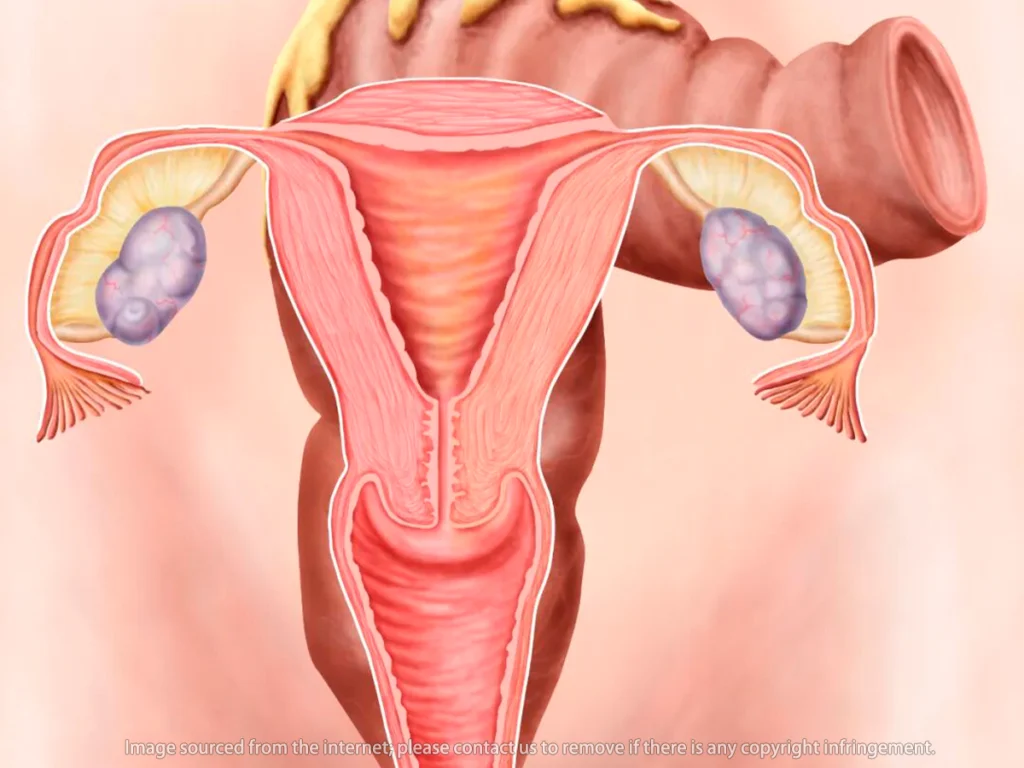
Does orgasm benefit vaginal health?
Yes, and its effects are more direct than you might think. Orgasm not only brings pleasure—it also activates the entire pelvic region, increasing blood flow, engaging the pelvic floor muscles, and enhancing lubrication. These functional changes all have a positive impact on vaginal health.
Increased blood flow supports healthier tissue
During sexual arousal and orgasm, blood flow to the vulva and vagina increases significantly. This increased blood flow isn’t a “blushing reaction”—it’s how the tissue receives more oxygen and nutrients, helping to maintain the health of the vaginal walls. This regular increase in blood flow is especially beneficial for those experiencing menopause or occasional dryness.
Stronger pelvic floor muscles support more stable overall function.
Orgasm triggers a series of rhythmic contractions of the pelvic floor muscles, which is a natural form of “functional training.” Stronger pelvic floor muscles not only mean better sexual responsiveness, but are also associated with bladder control, pelvic stability, and even a reduced risk of urinary tract infections.
Better lubrication helps reduce episodes of dryness.
The lubrication resulting from sexual arousal is further enhanced during orgasm. Regular sexual activity or masturbation can help keep the vaginal environment more moist and soft, which is a natural and effective aid for women prone to dryness.
Pleasure and health reinforce each other
When your vagina is in good condition, orgasms are easier to achieve; and orgasms themselves further promote blood flow, elasticity, and lubrication. It’s not a one-way street, but a mutually reinforcing cycle.
In other words, orgasm is not only an experience, but it also quietly supports the daily health of the vagina.
Can orgasm alleviate vaginal atrophy?
Yes, it can help, but the way it does might not be as “magical” as you might imagine. Vaginal shrinkage is often associated with a decline in hormones, especially around menopause. When estrogen levels decrease, the vaginal walls thin, lose elasticity, and experience less lubrication, leading to tightness, burning, or pain.
At this point, Regular orgasms—whether with a partner or through solo stimulation—can be a surprisingly effective way to support vaginal health.
Orgasm gets blood circulation back on track.
The increased blood flow during orgasm allows vaginal tissue to regain nutrients and oxygen, providing gentle yet sustained support for women experiencing atrophy. The healthier the blood flow, the stronger the tissue’s ability to maintain its elasticity and thickness.
Masturbation can also act as a practical form of stimulation-based therapy.
It doesn’t require a partner. Fingers, sex toys, or anything that brings you to orgasm can trigger the same increase in blood flow and tissue activation. This is why some studies have found:
Women who have not had sexual intercourse for a long time are more likely to develop obvious atrophy symptoms than those who have regular sexual stimulation.
These symptoms may not disappear immediately, but they can become easier to manage.
Regular orgasms can make vaginal tissues softer and more lubricated, thus reducing pain, dryness, or tightness during intercourse. It’s not a panacea for hormone therapy, but it can certainly make your body more “flexible.”
If you are experiencing severe atrophy, orgasm is part of it, but not the whole story.
Lubricants, moisturizing gels, hormone therapy, and appropriate sex toy training can all be used as a combination strategy. Orgasm provides natural blood flow and tissue stimulation, but not everyone can solve all their problems with just this one method.
While orgasms cannot reverse hormone reduction, they can keep vaginal tissue “active,” thus alleviating discomfort caused by atrophy. This is a genuine feedback response from your body—the more regularly it’s stimulated, the better it functions.
Can orgasm relieve vaginal dryness?
Yes, but the effect depends on how you reach orgasm.
Vaginal dryness has many causes—stress, hormonal changes, medication effects, lack of stimulation… but whatever the cause, orgasm itself can indeed improve lubrication in the short term. The reason is simple: orgasm is when the body enters “full activation” mode, and lubrication is one of the most direct responses.
Orgasm can increase natural lubrication, but not all lubrication functions the same way.
During sexual arousal, the vagina begins to produce lubricating secretions; orgasm usually pushes this lubrication “production line” a step further. Increased blood flow, nerve activity, and gland stimulation—all of these make dryness much easier at this point.
However, we need to be realistic: if the root cause of dryness is hormonal changes, the lubrication provided by orgasm is only temporary and cannot fundamentally reverse the physiological state. But it can still provide immediate comfort.
Sexual activity and masturbation can affect dryness in different ways.
Both can enhance lubrication, but they work in slightly different ways:
- Sexual activity with a partner
A partner’s touch, body temperature, and emotional connection can all help sexual arousal develop more quickly, making it easier for many women to experience adequate lubrication. A wider variety of stimulation methods also makes it easier to achieve a deeper level of arousal.
- Masturbation
The benefit of masturbation is that you have complete control over the rhythm, angle, and method. Many women, after exploring the most effective stimulation points through masturbation, are able to resolve long-term arousal difficulties and gradually make the lubrication mechanism easier to activate normally.
In addition, masturbation doesn’t require rushing to “finish the task,” which allows the body to relax more easily, and this is crucial for relieving dryness.
In other words, orgasm can help with lubrication, but the effectiveness depends more on the arousal process than on the orgasm itself.
If you experience persistent dryness, orgasm can be one way to improve it, but it’s not the only way—lubricants, moisturizing gels, hormonal support, and even changing your psychological burden can all be part of a combination of approaches.
Why does the vagina feel different after orgasm?
Many people believe that the vagina becomes “hypersensitive” after orgasm, but the reality is more complex. Sensitivity is not simply “increased” or “decreased,” but depends on your physiological state after orgasm and your body’s individual response to stimulation.
After the climax comes the “regression phase”: sensitivity usually decreases.
After orgasm peaks, the pelvic floor muscles stop contracting rhythmically, blood flow begins to recede, and the tissues gradually return to baseline. The clitoris is particularly noticeable—it is extremely sensitive during sexual arousal, but after orgasm, many women feel that “even a touch is too much.” This isn’t heightened sensitivity—it’s temporary overstimulation as the nerves calm down.
In other words, after the climax, you don’t become “more sensitive,” but rather enter a phase where you need to catch your breath.
Why do some people find their vaginas more sensitive?
This is the afterglow of pleasure, not increased sensitivity. Orgasm causes the pelvic floor muscles to contract violently, and the nerves are in a state of high excitement. This residual congestion keeps the vaginal walls feeling more “present” for several minutes. It’s not that you’re more sensitive, but rather that you can feel it more strongly.
For some, this state is pleasant; for others, it brings a slight soreness, itching, or a “don’t touch me” feeling.
The key to the sensitive period: Playing is fine, but much more gently.
If you want to continue stimulation after orgasm, the approach needs to be adjusted. Because at this point, your body’s greatest need is for gentleness and gradual stimulation.
- Light touch on the outer side of the vulva
- Slower, shallower, and more patient stimulation
- Avoid stimulating the overly sensitive tip of the clitoris.
You’re not “more fragile”—your body is simply signaling:
“I can continue, but please be gentle.”
Everyone’s sensitivity curve is different.
Some people are completely unable to be touched after orgasm;
Some people can experience a second orgasm within minutes.
This is not a question of “who is normal and who is not,” but rather a difference in nerve recovery speed, hormones, excitation patterns, and pelvic floor muscle tone.
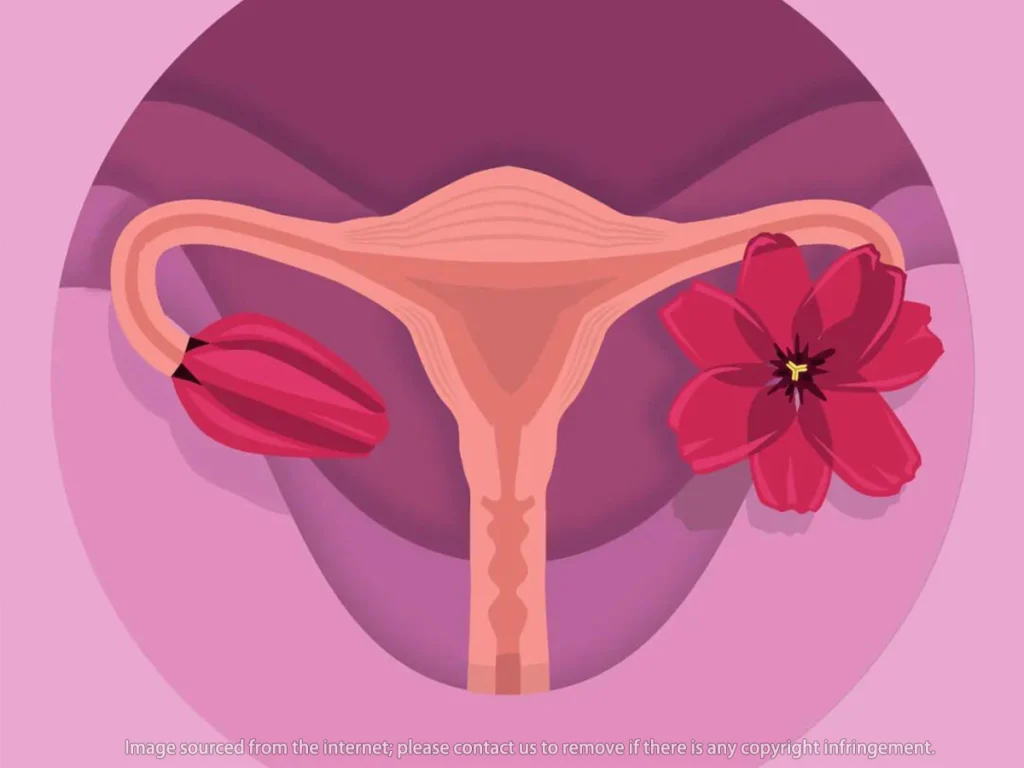
Why does the vagina pulsate after orgasm?
If you feel a “throbbing” or “pulsating” sensation in your vagina after orgasm, don’t worry—it’s not abnormal, but your body telling you, “That was really great.”
This pulsation comes from the most primal response deep within the body; it is a completely normal, completely healthy, and, in some ways…quite sexy physiological process.
The main cause is the rhythmic contraction of the pelvic floor muscles.
When you reach the peak of orgasm, your pelvic floor muscles, vaginal walls, and uterus will enter a contraction pattern that is beyond your control.
Medically, it is described as:
The rhythmic contractions occur approximately once per second, lasting from a few seconds to more than ten seconds.
This is the moment of sexual tension release—like the body pressing a reflex switch to “trigger pleasure”.
Why does it feel like a “pulse”? Because your nerves haven’t fully calmed down yet.
An orgasm causes a significant increase in blood flow to the genital area, and the return of blood flow is not instantaneous. The nerves remain highly active, and the aftershocks of those contractions will make you feel:
- A heart-pounding sensation
- A subtle feeling of contraction and expansion deep within
- A small, localized “vibration” or “twitch”.
This isn’t a muscle cramp—it’s simply the body releasing the last waves of stimulation.
Some people feel it strongly, while others barely notice it—both are normal.
There’s no standard pattern for this pulsation.
Different women will have very different experiences:
- Some people feel it’s a warm, wavy sensation.
- Some people can clearly feel the twitching.
- Some people only feel a slight tightening deep inside.
- Some people have no noticeable pulse at all.
All of these responses are normal—your body is simply reacting in its own way.
A stronger pulsation does not necessarily mean a “stronger” orgasm.
The intensity of the pulsation depends on many factors, including pelvic floor strength, level of arousal, type of stimulation, and even daily stress. It is not an indicator of the quality of an orgasm.
in other words:
It feels great if you can feel it; it’s perfectly okay if you can’t.

Vaginal orgasm vs. clitoral orgasm: what’s the difference?
In this article, we explore the multiple effects of orgasm on vaginal health—from relieving dryness and improving atrophy to the secrets of blood flow, sensitivity, and pulsation. You may have realized that orgasm is more than pleasure—it also supports overall health.
However, that’s only half the story. The real point of curiosity is: what’s the difference between vaginal orgasms and clitoral orgasms? Why can some women easily achieve clitoral orgasms but struggle with vaginal orgasms?
In the next article, we’ll break down the fundamental differences between the two, explain the science behind vaginal orgasms, reveal why they’re harder for some women to achieve, and show you how to explore the methods that work best for your body.