It’s not uncommon for the body to experience unexpected reactions after a pleasurable sexual encounter. Whether it’s mild itching, a dull ache, or even embarrassing vaginal flatulence, these are often normal physiological responses. This article will break down the real reasons behind these phenomena, tell you which situations are nothing to worry about, which ones deserve attention, and offer practical methods to help your body recover more comfortably after sex.

Why does my vagina itch after intercourse?
To be honest, “itching” is a reaction that many people won’t immediately voice, but will be filled with questions in their minds. After a pleasurable sexual experience, if your genitals suddenly start “sending signals” afterward, it’s hard not to feel a little uneasy—but this is more common than you might think, and most of the time, the reasons are very down-to-earth.
1. Insufficient lubrication and excessive friction
If the process is too rough or takes too long, the friction can make the vaginal tissue more sensitive. Simply put, the skin feels like it’s been subjected to some kind of force, and it will naturally react afterwards. This type of itching usually subsides on its own within a few hours.
2. Your body may react to certain things.
Yes, allergies can happen not only with pollen, cat hair, and strange perfumes, but also with certain products that the vagina can refuse.
- Latex condoms? Some people use them without any problems, while others experience itching and redness immediately after using them.
- Semen? Yes, a very small percentage of people are allergic to proteins in their partner’s semen (it sounds dramatic, but it does happen).
3. Related to your vaginal microbiome balance
The vagina is like a small ecosystem; if the balance is disrupted, it will become irritable.
- Yeast infections can cause itching, burning, and that typical “curd-like” discharge.
- Bacterial vaginosis (BV) is often accompanied by odor, changes in discharge, and discomfort.
- Some sexually transmitted infections (STIs) can also cause itching, especially trichomoniasis, chlamydia, gonorrhea, or herpes.
These types of situations usually don’t resolve on their own and require professional examination.
4. Over-cleaning of the vagina
Strongly scented shower gels, vaginal douches, and even “sensitive skin friendly” cleansers can disrupt the vagina’s natural pH balance, leading to a recurrence of itching. The vagina actually cleans itself and doesn’t need your cleansing products to “help too much.”
How can we alleviate it?
- Give it some time to rest; do not continue to rub or irritate it.
- If you suspect insufficient lubrication, use a more suitable lubricant with cleaner ingredients next time.
- Discontinue the use of strongly scented or irritating cleaning products.
- If you experience abnormal discharge, odor, swelling, pain, or symptoms that last for several days, don’t try to tough it out—go see a doctor immediately.
Occasional itching after intercourse is not a “red alert.” But it’s worth listening to your body’s signals, especially when they keep reminding you that “something’s not right here.”
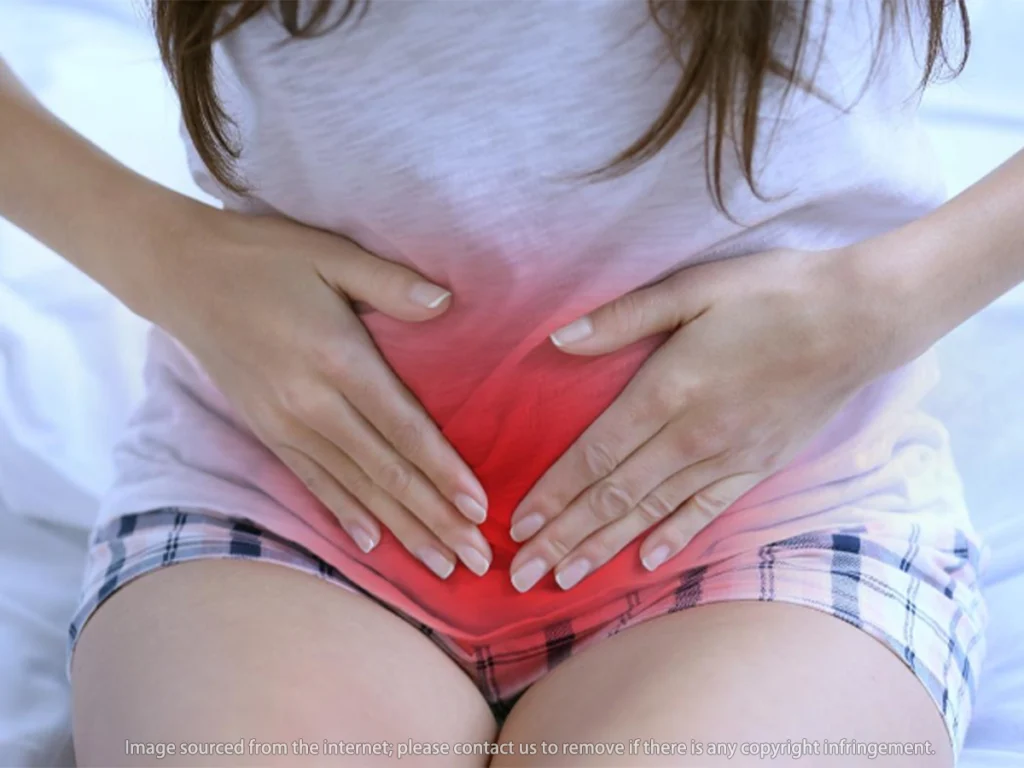
Why does the vagina hurt after intercourse?
If in the minutes after intercourse, only one thought is in your mind—”Why does it hurt here?!”
Don’t rush to doubt yourself, and don’t rush to blame your partner for “extraordinary performance.” The causes of vaginal pain are often more common and logical than you might imagine.
1. Incorrect angle during intercourse
Sex isn’t a jigsaw puzzle; if you’re approaching it from the wrong angle, it will be uncomfortable.
Certain positions can cause the vaginal walls to be directly pushed against sensitive or vulnerable areas, especially when the partner’s angle is slightly lower, or when you are already feeling tense that day.
The result is that people may not feel anything at the time, but after it’s over, they “start to protest”.
2. Insufficient lubrication can damage the vaginal mucosa
Even if you think you’re ready, your body can sometimes “let you down.”
Hormonal fluctuations, breastfeeding, stress, medication, and even drinking too little water today can all affect lubrication.
Insufficient lubrication = increased friction = the mucous membrane is more easily stretched.
Pain will naturally follow.
3. Your pelvic floor may be too tense
Tight pelvic floor muscles are like saying, “I’m not fully relaxed yet—take it slow.”
If you are anxious, nervous, trying a certain position for the first time, or have had an uncomfortable experience before, your pelvic floor muscles will tighten directly, making penetration difficult or even painful.
Some women may even experience mild vaginal spasms—it’s not your fault, nor is it because you’re “too sensitive.” It’s the body’s protective mechanism.
4. More reasons
- The sexual positions were too intense.
- The session lasted too long
- Both sides are currently too engrossed and have lost track of the pace.
- These can all cause minor stretching of the vaginal mucosa. It’s usually not serious, but you’ll definitely remember it the next day.
How can we avoid recurring pain?
This is the key point:
- It’s always better to use plenty of lubricant. Choose water-based or silicone-based, depending on which your skin prefers.
- Adjust the angle instead of enduring the pain. If a position continues to cause you pain, it’s not that you need to “endure” it, but rather that you should switch to a more comfortable one.
- Relax your pelvic floor. Take deep breaths, enter slowly, and if necessary, do some simple pelvic floor muscle relaxation exercises (not just Kegel exercises, but both relaxation and contraction exercises).
- Don’t rush into another round. If you’re already experiencing mild pain, resting your body is the wisest choice. Mucous membranes heal quickly, but only if you give them some time.
When should I seek medical attention?
If the pain persists for more than a few days, is accompanied by a noticeable odor, changes in discharge, bleeding, a burning sensation, or you suspect an infection, don’t guess—get a professional to help you find out the cause.
Occasional pain after sex doesn’t mean you did anything wrong, nor does it mean your body is “not up to standard.” More often than not, it’s just saying, “Hey, next time we’ll try something different and it’ll be better.”

How to make the vagina feel more comfortable after intercourse?
After sex, your body feels like, “I need some time to recover, thank you.”
The good news is that most discomfort can be relieved in simple, gentle ways. The following methods are like giving your vagina a mini “Spa experience”—no scented candles or five-star hotels required.
1. Clean gently, but don’t over-treat.
Your vagina doesn’t need to be treated like you’re wiping a kitchen countertop.
Rinsing the vulva with warm water (only the outside!) is sufficient to remove sweat, lubricant, and bodily fluids.
Avoid scented shower gels, antibacterial washes, and any products labeled “deep cleansing”—they can be far more damaging to the vaginal ecosystem than you might think.
2. Hydration
After sex, your body needs some moisture, especially the skin in your genital area.
You can drink some water to replenish fluids, or you can gently apply a layer of mild, fragrance-free, and non-irritating moisturizing product (such as aloe vera gel or a moisturizing gel for intimate areas) to the vulva.
Note: Do not apply it inside; “caring for the outer area is enough” is sufficient.
3. Give yourself some rest time.
The vaginal mucosa is very kind—it has an amazing ability to recover, as long as you don’t continue to irritate it when it’s protesting.
in other words:
- If you feel a little pain, Don’t jump into another round right away—your body isn’t a game console.
- If you feel some mild discomfort, try lying flat for a while to allow your pelvic area to completely relax.
- Wear loose, breathable underwear to allow that area to breathe freely.
4. “Too dry” or “too long”
Applying heat to the lower abdomen can help relax the pelvic floor muscles.
Hydration, rest, and avoiding friction are the best recovery combination.
5. Listen to your body.
If it’s just mild soreness, it usually recovers on its own within a few hours to a day.
However, if the pain is significant, the discharge becomes unusual, or there is a stinging or foul odor, then it’s no longer considered “normal recovery”—in which case we need to consult a professional doctor.

How to perform vaginal masturbation
Now we understand some some common reactions your vagina may have after sex after intercourse—itching, pain, and even embarrassing flatulence. These are normal bodily signals that indicate the vagina needs some care and gentleness.
But besides sex, many women have another important way of exploring their own pleasure: vaginal masturbation.
Simply put, if you want to better understand your body, explore pleasure, and stay healthy and safe, then you absolutely can’t miss this.