Clitoral masturbation isn’t something you can achieve by randomly touching the area; it’s a skill that requires understanding your body, mastering rhythm, and gradually building up a response. Most women’s orgasms originate from the clitoris, so learning “how to stimulate” is more crucial than “how long to stimulate.”
This article will guide you step-by-step through achieving a clitoral orgasm, starting from the most basic touch techniques, rhythm, and use of lubricant, to how to avoid numbness and how to increase body sensitivity. Whether you’re trying it for the first time or are always unsure if you’re doing it right, this article will provide you with a clear roadmap to follow.

Clitoral masturbation vs. vaginal masturbation
First, it’s important to understand that the clitoris and vagina are not the same pleasure circuit.
They are completely different in terms of anatomical structure, nerve distribution, stimulation methods, and orgasm trigger points.
There are very real physiological reasons why most women are more likely to achieve orgasm through the clitoris: the clitoris has more than 8,000 nerve endings, making it the most sensitive and easily precisely stimulated part of the body. In contrast, the vagina has far fewer nerve endings, and internal pleasure comes more from pulling, pressure, and angle rather than pinpoint sensitivity.
So if you’ve ever thought about it—
“Why does penetration feel great, but I still can’t reach orgasm?”
The answer often has nothing to do with your incompetence, but rather that penetration is not the most stable or direct way to trigger orgasm.
In other words:
Clitoral orgasms are not something that can be achieved simply by inserting something.
The clitoris needs external stimulation, rhythm, friction, temperature changes, and enough time for the nerves to gradually “warm up”.
The vagina contributes more to overall sensation and intimacy. It can bring satisfaction, intimacy, and the feeling of being held, but the real “button” is mostly on that small spot on the outside.
Understanding this is the first step to truly relaxing and finding your own way to orgasm.
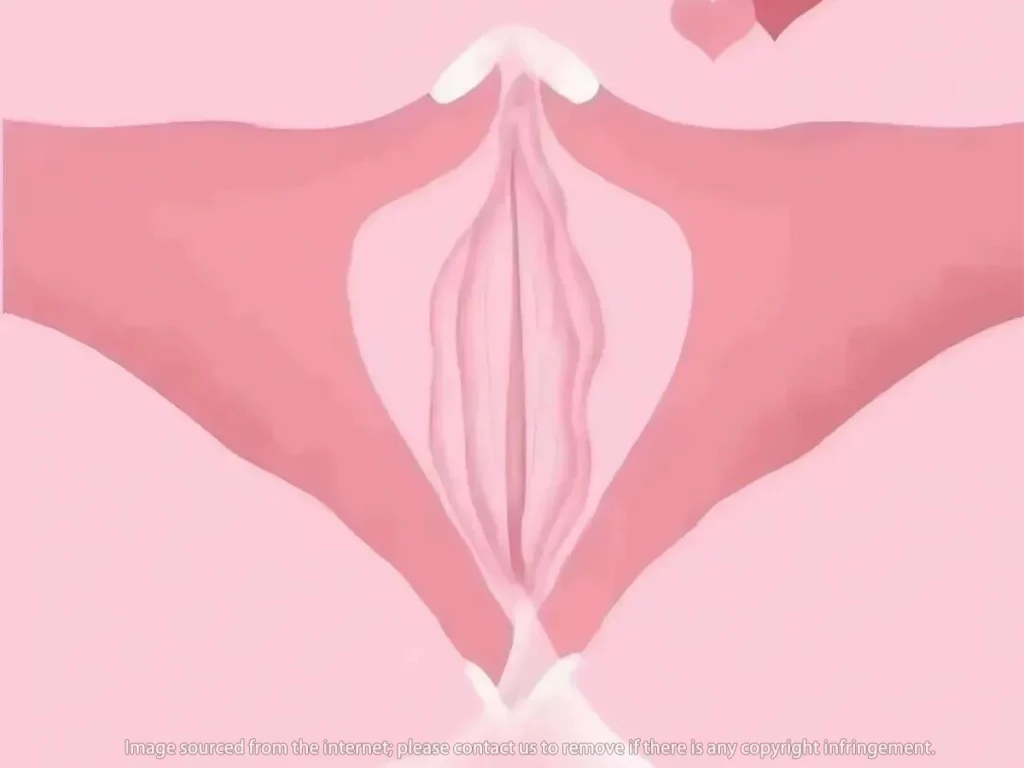
How to stimulate the clitoris manually? (Complete steps)
If this is your first time seriously exploring your clitoris, think of the rhythm as something that “gradually builds up” rather than rushing to the main button right away. The clitoris is very sensitive to rhythm and cumulative response; a gradual, progressive approach is often more effective at getting you into the mood than a forceful, direct assault.
1. Basic preparation: Cleanliness and lubrication are key.
Clean
Washing your hands first is to prevent bacteria from entering the urethra or vestibular glands; it’s not a ritual. Short nails are more comfortable and safer.
Lubrication
The next step is one you’ll thank yourself for: apply a little water-based lubricant.
It not only reduces friction but also transforms the feel from “dry friction” to “silky flow,” which is especially important for beginners. Lack of lubrication is the main reason why many people feel increasingly uncomfortable the more they touch it.
2. First step: Do not start with the clitoris itself.
Directly poking the clitoris is too stimulating for most people, and can even be a little painful.
The correct approach is to get your body into the right state first:
- Gently rest your fingertips on the vulva and stroke from the labia.
- Move from bottom to top, closer to the pelvis.
- You can gently cover the entire vulva with your palm and slowly slide it upwards.
- Draw circles around the clitoris instead of pressing directly on it.
The goal at this stage is to direct blood flow to the clitoris, thereby naturally increasing sensitivity.
3. Second step: Gently touch the outer area of the clitoris.
The clitoral cap and surrounding area are excellent “middle zones”.
You can try:
- Draw small circles with your fingertips
- Swipe up and down
- Gradually move in toward the clitoris from the sides.
Don’t rush to increase your strength; your body will signal when it’s ready.
4. Third step: Gradually increase the tempo (from light to strong).
When you feel warmth, pulsation, or a slight “push-forward” sensation, you can start adding a little rhythm:
- Increase the speed of drawing circles
- Increase the intensity slightly
- Replace with more stable up-and-down friction
The key here is consistency, not force.
Many women lose momentum when the rhythm suddenly changes.
5. How to avoid numbness? (A common question for beginners)
Numbness doesn’t mean anything is wrong; it just means the stimulation was too intense or too direct.
The way to avoid it is simple:
- Avoid dry friction → Lubricant is essential.
- Don’t keep pressing a single point → Occasionally move the area.
- Do not use excessive force → The clitoris prefers gentle and continuous stimulation.
If you feel a dulling sensation, pause for a few seconds, change your technique, and reduce the intensity; it will recover quickly.
The body’s sensitivity is gradually built up through rhythm, lubrication, and variations in pressure.
Once you learn to control this, you’ll find that you can achieve very deep clitoral orgasms using your hands, instead of “relying on luck to hit the right spot.”

Does clitoral masturbation harm the body? (Scientific debunking myths)
Simple answer: No.
Clitoral masturbation is a completely natural, healthy, and safe form of sexual activity. What truly causes discomfort is often not masturbation itself, but rather improper technique, excessively rough friction, lack of lubrication, or poor hygiene.
More importantly—
Masturbation will not make you “loose”, will not “break”, and will not affect your future sex life.
These are cultural biases and misconceptions, not medical facts.
1. Physiological safety of clitoral masturbation: The body is more resilient than many people assume.
The clitoris exists solely for the purpose of pleasure.
It has an extremely dense network of nerve endings, but it isn’t “fragile.”
Scientific research makes it very clear:
- Moderate clitoral stimulation will not cause harm.
- Will not permanently decrease sensitivity
- It does not affect pregnancy, hormones, or sexual function.
On the contrary, it often brings beneficial effects, such as helping to relax, improving sleep, relieving premenstrual tension, and increasing a sense of control over one’s body.
2. The real issue to be concerned about: It comes from “how to do it,” not from masturbation itself.
The potential risks of clitoral masturbation are almost all related to the “method”:
Excessive friction
If you apply too much force or there is no lubrication, the following may occur:
- Temporary redness and swelling
- Stinging
- Numbness
These usually disappear after a few hours of rest or the next day.
hygiene issues
Not washing hands, having long nails, or using unclean tools can increase the risk of urethritis or vulvar infections.
Simple cleaning can easily prevent this.
Over-reliance
In rare cases, if you rely on masturbation as your sole way to relieve stress, you may need to be aware of potential psychological issues. However, this is not related to physical harm.
Does Clitoral masturbation affect urine output and urinary tract health?
Let’s put the conclusion first:
Clitoral masturbation will not affect your urination, nor will it harm your urethra or urinary tract health.
Whether the amount of urine decreases or increases, or there is an occasional stinging sensation, it will not occur because “you masturbated”.
The clitoris is external, while the urethra is internal. Although they are close together, their structures and functions are completely different. As long as the method is gentle and hygiene is maintained, masturbation will not interfere with your urinary system.
1. Why doesn’t masturbation affect urine output? (Simple medical explanation)
Clitoral stimulation occurs on the surface of the skin, while urination relies on the muscular system of the bladder and urethra. There is no direct anatomical connection between the two, therefore:
- Stimulating the clitoris will not compress the urethra.
- It does not change the bladder’s urine storage capacity.
- It won’t make you urinate more or less than usual.
If you feel more urge to urinate after masturbating, it’s often because:
During orgasm, the pelvic muscles contract, making it easier for you to become aware of your bladder’s location.
This is a normal physiological reaction, not a health problem.
2. When will urinary tract discomfort occur? (The real reasons are usually these)
If you do experience stinging, frequent urination, or a burning sensation, the cause is usually not masturbation, but rather one of the following:
Inadequate cleaning
bacteria can enter the urethra more easily than many realize, especially if your hands are not washed, there is residue on your nails, or you use unclean items.
The friction may simply have been too intense.
Excessive friction may cause temporary redness and swelling of the skin near the urethral opening, resulting in a slight stinging sensation when urinating. However, this is not a urinary tract infection and usually resolves quickly.
Lack of lubrication
Dry friction can make the vulva sensitive or even slightly irritated, which may make you mistakenly think that “the urethra is uncomfortable”.
I am currently experiencing a urinary tract infection
Some women with mild UTIs may mistake the symptoms for “masturbation-related,” but in reality, the infection was already occurring, and the stimulation simply made them more aware of the symptoms.
3. How to protect urinary tract health? (Simple but effective)
- Wash your hands before starting.
- Keep your nails rounded and clean.
- Use water-based lubricant
- Avoid applying excessive force or rubbing the same spot for extended periods.
- If using sex toys, ensure thorough cleaning.
Under these conditions, clitoral masturbation has virtually no effect on the urinary tract.
Masturbation is not the culprit behind urinary tract problems.
What you really need to focus on is hygiene, lubrication, and your own physical condition, not whether you are exploring your own pleasure.
Does clitoral masturbation cause you to squirt?
To sum it up: it’s possible, but not everyone will, and it’s not a standard for judging whether an orgasm is “good enough”.
Squirting is not magic, nor is it something that “the more skilled you are, the more likely you are to be able to do it.” Rather, it is a bodily response that varies from person to person.
1. What is water spraying? (It’s not what you think)
What people call “squirting” mostly comes from fluid released by the paraurethral (Skene’s) glands (also called Skene’s glands).
It is located near the urethral opening and releases a clear, thin liquid under strong sexual stimulation, sometimes in a jet-like manner, and sometimes only in a small amount.
It needs to be emphasized that:
- It’s not harmful, and it’s not “leaking urine.”
- The amount of secretion varies greatly from person to person.
- It’s perfectly normal for some people to never squirt water in their entire lives.
There is no single template for orgasm; your body doesn’t need to “achieve ejaculation” to experience pleasure.
2. Can clitoral masturbation cause squirting?
Yes, but on the premise that:
The stimulation intensity is sufficient, the duration is long enough, and the pelvic floor muscles respond strongly.
Squirting is more common with G-spot or deeper stimulation, but for some women, strong and continuous stimulation of the clitoris can also trigger the same response, because orgasm itself causes rhythmic contractions of the pelvic floor muscles, which in turn squeezes the paraurethral glands.
In other words:
It’s not because you used a “correct technique,” but because your body is naturally pushed to a certain critical point.
3. What methods are more likely to trigger the water spray?
This isn’t a guideline, but a description of common physiological triggers:
- Continuous, strong stimulation (e.g., steady-paced, increasingly intense friction)
- A balance of full excitement and relaxation (tension prevents the pelvic floor muscles from releasing tension).
- Avoid stopping abruptly when you’re close to orgasm.
- Strong pelvic floor muscles (Kegel training increases the likelihood of this).
If you feel an urge to urinate, it’s often a sign that squirting is about to happen, rather than that your bladder actually needs to urinate.
4. Is it normal that it doesn’t spray water?
Of course.
Spraying water is essentially a physiological variation possessed by a minority of people, similar to “some people are more prone to tearing up, while others are less so.”
It won’t spray water:
- Does not mean it’s hard to reach an orgasm
- This does not mean a lack of skill.
- This does not necessarily mean poor sensitivity
Your body has no “deficiencies”.
5. Precautions: Don’t sacrifice your own comfort just to spray water.
- Don’t overemphasize the amount of spray or the lack of spraying.
- Do not use excessive friction or intense stimulation in an attempt to “force out water spray”.
- Avoid excessive fatigue, which can decrease sensitivity.
- If the discharge has a noticeable odor, abnormal color, or is accompanied by stinging, it indicates an infection and is unrelated to spraying water.
The focus should always be on your pleasure, not the form of expression.
Spraying water can be a fun bonus, but it’s definitely not a “level-up” for a climax.

How to increase clitoral sensitivity (short-term + long-term tips)
Clitoral sensitivity is not a fixed value; it fluctuates depending on the method of stimulation, physical condition, psychological stress, and even daily habits. If you feel “less sensitive” lately, in most cases this is not a physical problem, but rather that the method, intensity, or rhythm of stimulation has caused some “fatigue” in the nerve endings. The good news is that clitoral sensitivity can be restored, provided the method is scientific and the rhythm is appropriate.
Here’s a practical guide combining short-term adjustments with long-term habits.
1. Proper stimulation can reactivate nerves.
Avoid excessive friction and high-intensity vibrators
Prolonged reliance on strong vibrations and high-frequency friction can temporarily put the clitoris into a “desensitization mode.” If you find that you need increasingly stronger stimulation to respond, it’s time to give your clitoris a “vacation.”
Change to a soft touch
Switching from intense stimulation to gentle touch is key to relaxing and resetting nerve sensitivity. You can try:
- Gently press and sweep with your fingertips
- Use a soft brush for extremely light touches
- Low-frequency, gentle-vibration sex toys (if absolutely necessary)
The goal is to help the nerve endings respond again to subtle tactile sensations, rather than relying on “intensity to win”.
2. Increase arousal levels, making the clitoris more easily enter a “sensitive state”.
The sensitivity of the clitoris is highly correlated with the degree of sexual arousal. The more aroused the clitoris, the more blood flow there is, and the more pronounced the sensation.
Effective practices include:
- Extend foreplay (at least 10–15 minutes)
- Incorporate more kisses, caresses, gentle bites, and verbal interactions
- Adjust the environment: lighting, music, and a sense of emotional security.
When your body is fully aroused, even light stimulation becomes highly effective. Your sensitivity will naturally rise.
3. Pelvic floor training to strengthen the internal support system.
Healthy pelvic floor muscles can significantly improve local blood circulation, and better circulation equals a faster and stronger clitoral response.
Simplified Kegel exercises:
- Contract your pelvic floor muscles for 3–5 seconds (like holding back urine).
- Relax
- 10–15 times daily
This is a long-term strategy, but the results are very consistent.

4. External adjustment: Improve sensitivity by starting with daily habits.
Gentle care and moisturizing
Avoid cleaning agents containing alcohol or fragrances to reduce irritation.
Massaging the vulva with a small amount of natural oil after bathing can relieve dryness and help keep the skin healthy and hydrated.
Nutrition and Exercise
Vitamin B, zinc, and Omega-3 are important for nerve health.
Regular aerobic exercises such as yoga and running can improve overall blood flow and also help with clitoral response.
Lubricants help a lot, especially in dry climates.
Choose water-based or silicone-based products and avoid “stimulating” additives such as menthol.
5. Psychological relaxation is a hidden key to sensitivity.
Clitoral response is not only a physiological behavior, but also a reflection of psychological state.
Stress, tension, and worry about performance can all cause the nervous system to instinctively “desensitize”.
Effective practices:
- Create your own “relaxation ritual” (bath, aromatherapy, music).
- Communicate stress and needs with your partner
- Adopt a mindset of “enjoying the experience” rather than pursuing results.
The body responds best when the mind is relaxed.
Next article preview: A guide to clitoral sex toys (sucking toys/vibrators/massagers)
Once you’re familiar with how to use your hands, rhythm, and arousal levels to enhance clitoral sensitivity, the next step is to consider incorporating sex toys into the experience. Sex toys aren’t essential, and you don’t need to use them, but they offer frequencies, rhythms, and stimulation methods that fingers can’t fully replicate, making exploration easier and more precise.
If this article has helped you understand the body’s response mechanisms, the next article will teach you how to use suitable sex toys to transform these responses into stable, controllable, and truly personalized pleasure.