A woman’s Female vagina is far more complex than most people imagine — not merely a “reproductive organ,” but an elastic anatomical structure that self-regulates, helps maintain its own cleanliness, and plays a key role in sexual pleasure.
Many women actually have limited understanding of their own vaginas:
- How deep is it exactly?
- Why do people experience it differently?
- What should discharge look like?
- What do these differences mean?
This article provides a comprehensive overview of the vagina from four perspectives: anatomy, function, depth, and secretions. Understanding your body is the first step in taking care of yourself.

What is the Female vagina? The true anatomical structure.
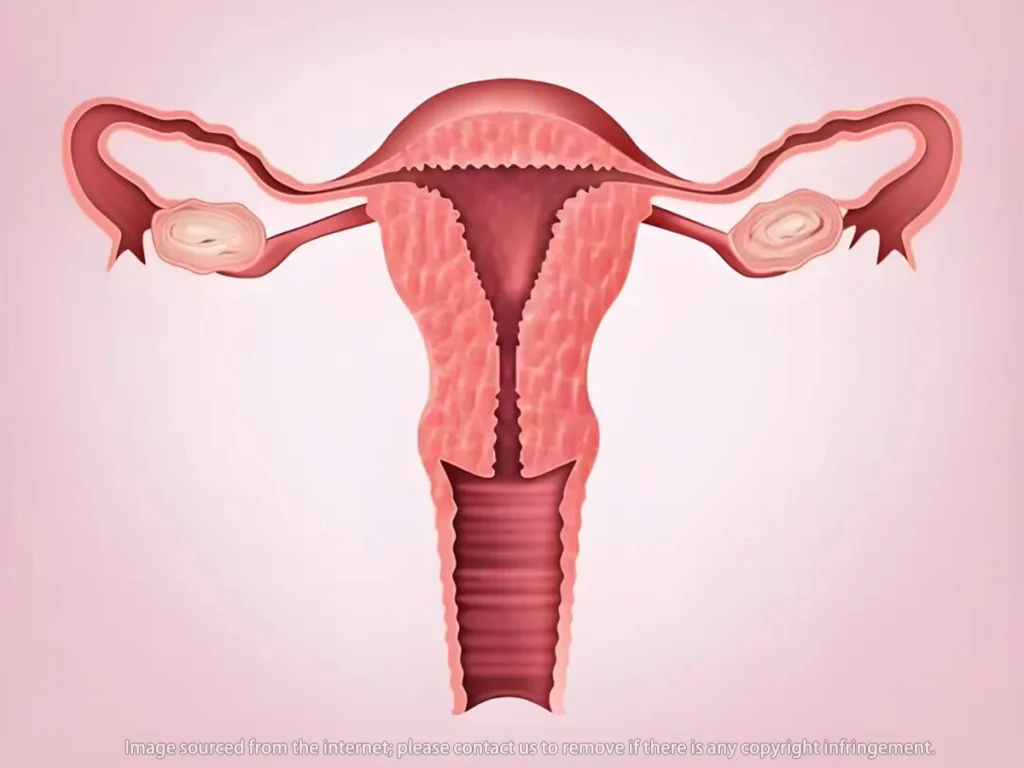
The vagina is an elastic canal made of muscle and mucous membrane, connecting the vulva to the cervix. It is not a “static space,” but a muscular canal that can stretch, change shape, and even actively adjust according to sexual arousal and physiological needs. It performs multiple functions: allowing menstrual blood to flow smoothly, accommodating the penis during intercourse, expanding during childbirth, and protecting reproductive health through its own micro-ecological system.
Anatomically, the vagina is located inside the pelvis, between the bladder and rectum. Its upper end connects to the cervix, and its lower end opens into the vulva. In most cases, the vaginal walls rest against each other rather than forming an open ‘hole.’
The vaginal wall consists of three layers, each playing a different role:
- Mucosal layer: The surface is covered with folds (rugae), which allow significant expansion during sexual arousal or childbirth. The mucosa relies on mucus from local glands to stay moist and to help maintain a naturally acidic environment.
- Muscle layer: Composed of smooth muscle and elastic fibers, it enables the vagina to contract, relax, and stretch, and is one of the important foundations of sexual pleasure.
- Outer connective tissue: helps fix the vagina in the pelvis and provides structural support.
Unlike the externally visible vaginal opening, the true wonder of the vagina lies in its internal folds, spongy tissue, and highly elastic structures. It participates in physiological processes and plays a crucial role in sexual activity, making it one of the most adaptable, yet most misunderstood, areas of the female body.
How deep is the Female vagina — and why does it differ among people?
The depth of the vagina is never a fixed number, but a “dynamic space” that changes with the body’s state. In most cases, Typical vaginal depth when not aroused is around 7–10 cm (3–4 inches); with sexual arousal (increased blood flow and slight elevation of the cervix) it can lengthen to roughly 10–20 cm (4–8 inches). This change is entirely part of the physiological mechanism.
Why such a large difference? Because vaginal length is influenced by a variety of factors, including genetics, age, hormonal changes, pregnancy, childbirth, and menopause. During pregnancy, the cervix moves upward, which makes the vaginal canal feel longer. After menopause, the vagina may shorten slightly due to a drop in estrogen. During menstruation, the cervix descends, and the overall depth may feel shallower than usual.
The most practical way to understand depth is to think of the vagina as a flexible channel that rearranges its internal space based on emotions, arousal, and position. Certain positions (e.g., rear-entry/doggy-style or variations with legs raised) provide a more direct angle and deeper sensation, while face-to-face positions (such as missionary) or positions with bent knees give a gentler angle and make it easier to control intensity.
In other words, vaginal depth is not the core variable determining pleasure—angle, arousal level, and intimacy with your partner are more crucial. Understanding how your body can change will also give you more control and comfort during sexual experiences.
What is Female vaginal discharge — and how do you tell if it is normal or abnormal?
Vaginal discharge is a naturally occurring and extremely important protective mechanism. It is responsible for cleaning, lubrication, maintaining an acidic environment, and blocking harmful bacteria—in other words, the presence of discharge is a sign of health, not a problem.
What does normal Female vaginal discharge look like?
Color and texture
Healthy vaginal discharge is typically clear, milky white, or slightly yellowish (more noticeable when dry on underwear). Its texture changes throughout the menstrual cycle.
- Ovulation period: Slippery, stretchy, like egg white;
- Before menstruation: It becomes more viscous;
- During sexual arousal: increased lubrication;
- Postmenopausal: Reduced secretion and drier texture.
These fluctuations are completely normal and nothing to worry about.
Odor
Normal vaginal discharge is either almost odorless or has only a slightly acidic smell, which is a result of vaginal lactobacilli maintaining a healthy environment.
If you smell a slight sourness, it usually means everything is normal.
Changes in secretion
Average volume is about 1–4 mL per day, but it increases during ovulation, sexual arousal, and pregnancy. This is due to hormones and is not abnormal.

What situations are considered abnormal?
You should pay attention if your discharge exhibits the following characteristics:
Color abnormality
- Yellow-green, grayish-white, brown
- Spotting (non-menstrual period)
- Appears as curd or in lumps
These may indicate an infection (such as candidiasis, trichomoniasis, or bacterial vaginosis).
Abnormal odor
- A distinct fishy, rotten, or pungent odor.
- Discharge suddenly has a strong odor despite no change in hygiene products or routines.
It is usually associated with dysbiosis or infection.
Abnormal texture
- Foamy, purulent, or clotted
- It is obviously too thick and sticky.
These cannot be explained by a normal physiological cycle.
Accompanying symptoms
If changes in discharge are accompanied by:
- Itching
- Burning sensation
- Painful urination
- Painful intercourse
- Lower abdominal discomfort
Seek medical evaluation promptly.
Why is it important to understand secretions?
Because it is the most direct “health signal light” for the vagina.
Normal discharge indicates that the vagina’s self-cleaning system is functioning well;
Abnormal discharge may indicate an infection or hormonal changes that require attention.
When you can understand these signals, you can better control your physical condition and deal with problems earlier when they first appear.
Main functions of the Female vagina (not just a “sexual organ”)
The vagina plays a far broader role than most people realize. It not only contributes to sexual pleasure but also undertakes core physiological, protective, and reproductive functions, serving as a crucial hub in the entire women’s health system.
1. Physiological function: Part of the body’s circulatory system
Menstrual blood passage
During menstruation, the vagina is the main pathway for the discharge of menstrual blood and uterine lining. Through natural muscle contractions, it helps the body smoothly complete this cyclical renewal.
2. Sexual function: Sources of pleasure and natural lubrication
The generation of sexual pleasure
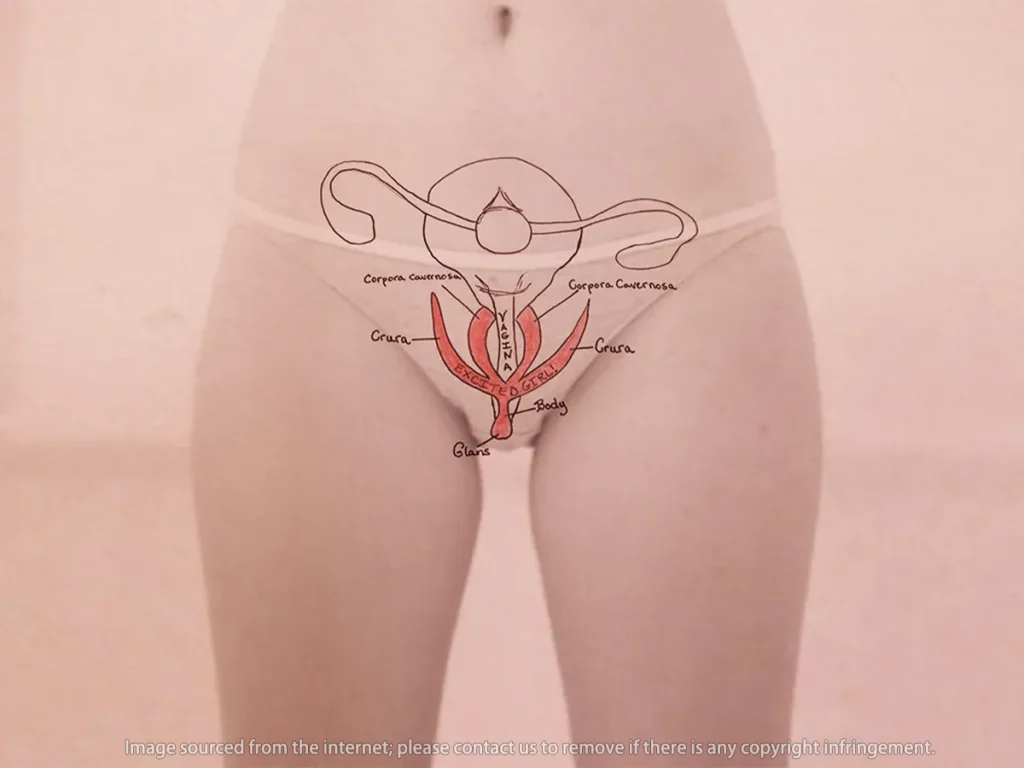
The vagina has abundant nerve endings and blood vessels. During sexual arousal, it becomes engorged and deepened, releasing more lubricating secretions, making friction comfortable and natural, thereby enhancing pleasure.
Dynamic Adaptability
Its elastic structure can adjust its shape and depth according to the situation, and can flexibly adapt to both angle and rhythm.
3. Reproductive function: From sperm transport to birth
The entry point — and a natural filter for sperm
After intercourse, semen temporarily alters the vaginal pH (making it less acidic), creating conditions that can be more favorable for sperm survival and movement toward the cervix. The vagina serves as the entryway, while the cervix and the vaginal environment act as part of a natural selection mechanism for sperm.
The vagina as a birth canal
Driven by hormones, the vagina can stretch significantly during childbirth to allow a new life to pass through. The folded mucous membranes can stretch to their maximum extent, reducing the risk of tearing, and are an important structure for completing childbirth.
4. Self-protection and self-cleaning mechanisms: a natural “safety system”
Acidic environmental protection
The vagina has a naturally acidic pH, thanks to the microecology maintained by lactobacilli. This environment inhibits the growth of many harmful bacteria, acting as a biological barrier.
Continuous self-cleaning
The vagina and cervix secrete mucus to remove old cells, impurities, and some pathogens, achieving daily “automatic cleaning.” This is why a healthy vagina does not require additional rinsing; in fact, over-cleaning can disrupt the balance.
Immune participation
The vaginal mucosa contains immune cells and antibacterial components, which can react quickly to potential pathogens and protect the body’s first line of defense.
The vagina’s functions are far more complex than just a “sexual organ”; it’s a dynamic, self-regulating, and protective key structure within the body’s systems. Understanding these functions not only helps you better understand your body but also allows you to view your intimate areas with a healthier and more natural attitude.

Does the Female vagina need cleaning — and how should you clean it?
We’ve already discussed the structure, depth, secretions, and various physiological functions of the vagina. Now you probably realize that the vagina is far more “intelligent,” more complex, and more deserving of gentle treatment than people think.
Next, we come to the most often misunderstood and easiest thing to do wrong: how to properly clean the vagina.
Many people believe that “cleaner = healthier,” but this is not the case. The vagina is not an area that needs vigorous washing; it has an extremely sophisticated self-cleaning system that protects itself through its flora, pH balance, and natural secretions. Improper cleaning methods (such as using scented washes, douching, or excessive scrubbing) can disrupt this ecosystem, leading to discomfort, infection, and even long-term problems. In the next article, we will explain these points thoroughly so you can better protect your vaginal health.