Vaginal masturbation is not just about “achieving orgasm.” For many women, it’s also a way to understand their bodies, maintain vaginal health, and build a more stable pleasure response. This article will guide you from basic to advanced levels, clarifying what vaginal masturbation actually is, how it differs from clitoral stimulation, how to perform it safely, and whether it truly helps with issues like vaginal dryness, atrophy, and infection risks.
What is vaginal masturbation? How is it different from clitoral masturbation?
Vaginal masturbation, simply put, is about focusing on the inside of the body—making the vaginal walls, G-spot area, and deep tissues the main focus. Its pleasure is more like a deep, spreading wave of internal pleasure not necessarily soaring immediately, but often deeper and more intense.
In contrast, clitoral masturbation is like a fast, high-precision tool in the world of pleasure: precise, external, and responsive. The clitoris has more than eight thousand nerve endings—yes, eight thousand—so its existence is essentially for your pleasure, and that’s no exaggeration.
The difference between the two can be imagined as two completely different playlists:
- Clitoral masturbation: like a hit single—direct, fast, and with almost no intro.
- Vaginal masturbation: More like a gradual movie soundtrack, it unfolds slowly, and the orgasm is usually more internal and more immersive.
Of course, there’s no rule that you can only choose one. Many women combine the two, and the effect is like switching your pleasure system from “mono” to “surround sound.” External stimulation ignites the experience, while internal stimulation deepens it; together, they push the entire experience to the next level.
If you’ve only ever been comfortable with one method, this article will show you why combining different approaches is often the most stable and best suited to your body’s reactions.

How to perform vaginal masturbation? The safest method.
To turn vaginal masturbation into a pleasurable experience rather than an “accidental emergency,” you only need to master a few very simple but crucial steps.
1. Prepare first, rather than jumping straight in.
Find a spot where you won’t be disturbed and relax your body. Tense muscles and pleasure are mortal enemies—relax your tense shoulders, slow your breathing, these are all part of foreplay.
2. Lubrication is your best friend.
Don’t force yourself, and don’t rely on wishful thinking like “maybe I’m already wet enough.” The more relaxed you are inside your vagina, the more you’ll feel deep pleasure, rather than the frustration from friction.
Water-based lubricants are the most versatile, and the more you use them, the better. There are no awards for “the person who uses the least lubricant”.
3. Using hands or toys? Either is fine, but the method must be correct.
- Use your hands: Start with one finger, then decide whether to add more. The movement is not “poking, poking, poking,” but more like gentle, exploratory pressure. The focus is not on depth, but on finding the spot that elicits a natural response from the body.
- Use toys: Choose toys made of safe materials with smooth surfaces. Size and strength are not a test of courage; start small and delicate, and let your body tell you whether you want to move up a level.
4. Insertion depth: Deeper doesn’t necessarily mean more pleasure.
Most women’s G-spot and sensitive areas are located in the first few centimeters of the anterior vaginal wall, rather than deep inside.
If you keep pushing yourself too far, your body will usually respond with a clear sense of “something feels off.”
Slow down, go shallower, and the angle is more important—especially upwards, in a slightly curved direction.
5. Hygiene: A boring but crucial part
Yes, we all know that washing hands is a normal thing, but you would be surprised how many people skip this step.
- Clean hands
- Clean toys
- Smooth, unsharp nails
- A lubricant without artificial fragrances
These simple actions can help you avoid disastrous scenarios such as bacteria, infection, and even cuts.
If you think of vaginal masturbation as a personal exploration, then safety preparations are the map, lubrication is the supply, and a slow, deliberate approach is your compass. If you do it right, you’ll find that internal pleasure doesn’t require desperate effort, but rather patience, skill, and a little self-indulgence.
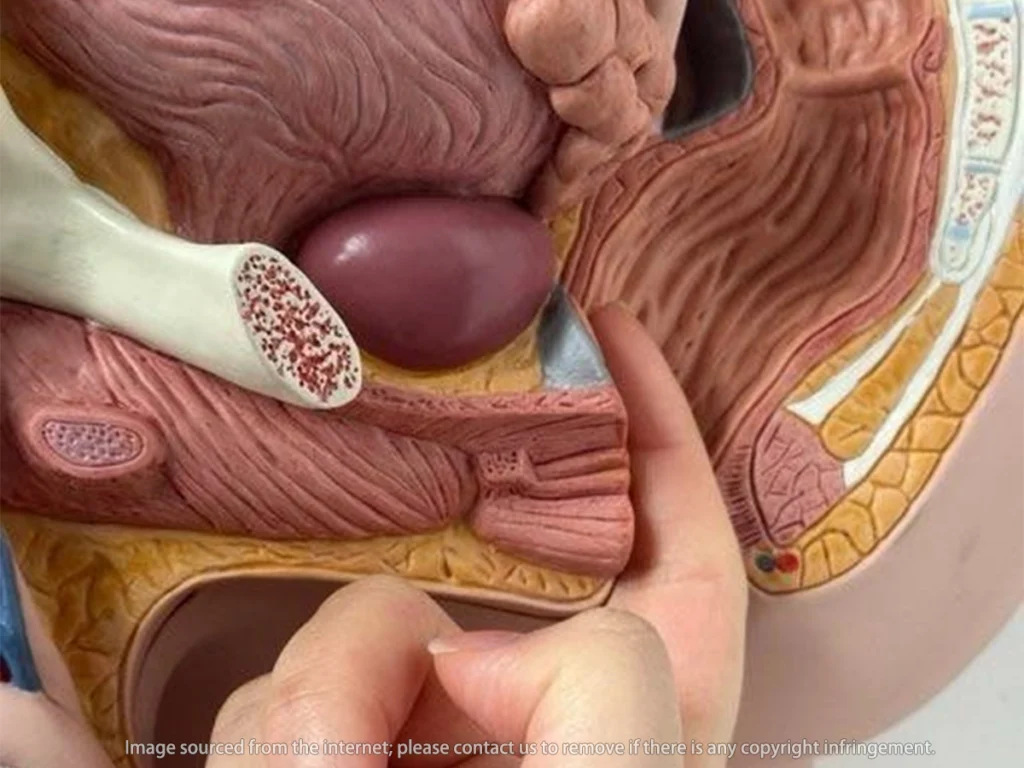
Can masturbation alleviate vaginal atrophy?
In short: Yes, it can indeed help.
The core issues of vaginal atrophy are reduced blood flow, thinning of tissue, and decreased elasticity. Vaginal masturbation triggers the body’s most natural “internal reset button”—redirecting blood flow back to this area.
Why does it work?
- Promotes blood flow: Each stimulation brings more blood into the vaginal tissues, like bringing warmth and circulation back to an area that’s been inactive.
- Improves tissue elasticity: Regular internal activity helps vaginal tissues become more elastic, reducing dryness, stinging, and burning sensations.
- Improves lubrication response: The more accustomed the body is to being activated, the more willing it is to cooperate with you when you need it.
In other words, you’re not “playing,” you’re giving your vagina a physical therapy session—just in a more pleasurable way.
When is it not appropriate?
Even the best self-care isn’t a cure-all. If you’re experiencing any of the following situations, taking a break is the wiser choice:
- Experiencing obvious inflammation, stinging, or bleeding
- Doctors advise against vaginal penetration.
- Incomplete recovery after surgery
- During infection treatment (especially when discomfort persists)
So what else can you do besides masturbation?
If you want to combat atrophy more comprehensively, you can also consider some safer methods (these are very common recommendations in the Western medical community):
- Use lubricants: especially water-based lubricants, which can immediately reduce friction and discomfort.
- Gentle Kegel exercises: Strengthen pelvic floor muscles and improve blood flow and elasticity.
- Estrogen therapy: If symptoms are more severe, doctors may recommend topical estrogen therapy, which is very common and effective.
It’s important to know that masturbation isn’t just a “secret pastime”; it has real health benefits, particularly regarding vaginal atrophy. As long as it’s done gently and your body allows, it can absolutely be an important part of your vaginal care routine.
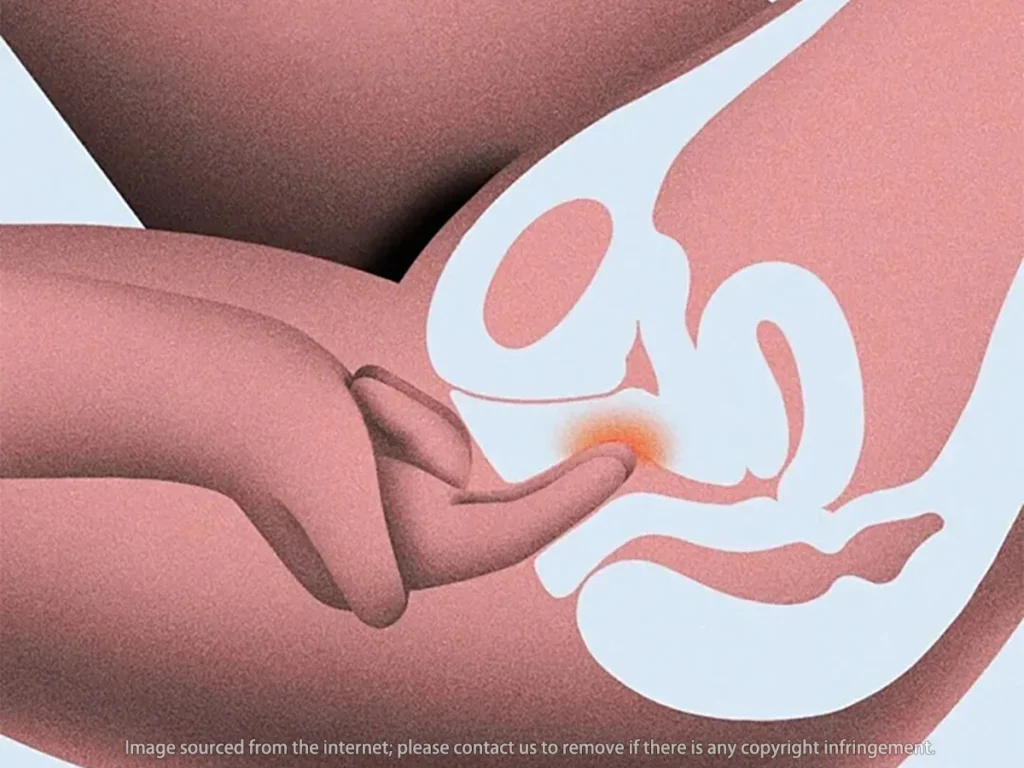
Can masturbation relieve vaginal dryness?
In most cases, yes, it does make things much better.
The most common problem with vaginal dryness is not “lack of lubrication,” but rather that the body is not fully aroused. Masturbation can bring your body back into an aroused, lubrication-ready state, reactivating your natural lubrication system.
Why can masturbation help?
- Enhances natural lubrication response
Once you become aroused, blood flow to the genital area increases, and the vaginal walls are more willing to secrete lubricating fluid. This is not a psychological effect; it’s a physiological response.
- Keep vaginal muscles active
Mild internal stimulation can “wake up” the vaginal muscles and maintain tissue health. You don’t need a dramatic orgasm every time; regular, gentle stimulation is more effective than occasional big bursts.
- Menopausal women especially benefit
When hormone levels drop, the vagina is prone to dryness and sensitivity, while regular masturbation can help maintain the tissue in better condition, like giving the body a low-intensity but stable maintenance.
In other words, masturbation is a bit like giving your body steady, regular hydration rather than a sudden downpour: it doesn’t need to be rained down, but it can’t be without water for a long time.
Lubricant remains the perfect partner
However, let’s be realistic:
Even with improvements in natural lubrication, lubricant remains your most reliable partner.
It can make the process smoother and more comfortable, and can also reduce friction, pulling or stinging caused by dryness.
- Water-based lubricants are the most versatile and non-irritating.
- Applying more is absolutely not a sin.
- Using lubricant doesn’t mean your body is lacking—it’s simply smart.
One point to note
Masturbation can indeed improve dryness, but it doesn’t address all the underlying causes. Menopause, stress, medication, hormonal fluctuations, health conditions… all of these can make the vagina as dry as a desert.
If dryness is affecting your daily life, the best course of action is still to consult a medical professional to find the real root cause.
Masturbation can help re-activate your body’s natural lubrication response, but lubricant is a partner you can always rely on. Together, they are likely to be more effective and easier than you think.
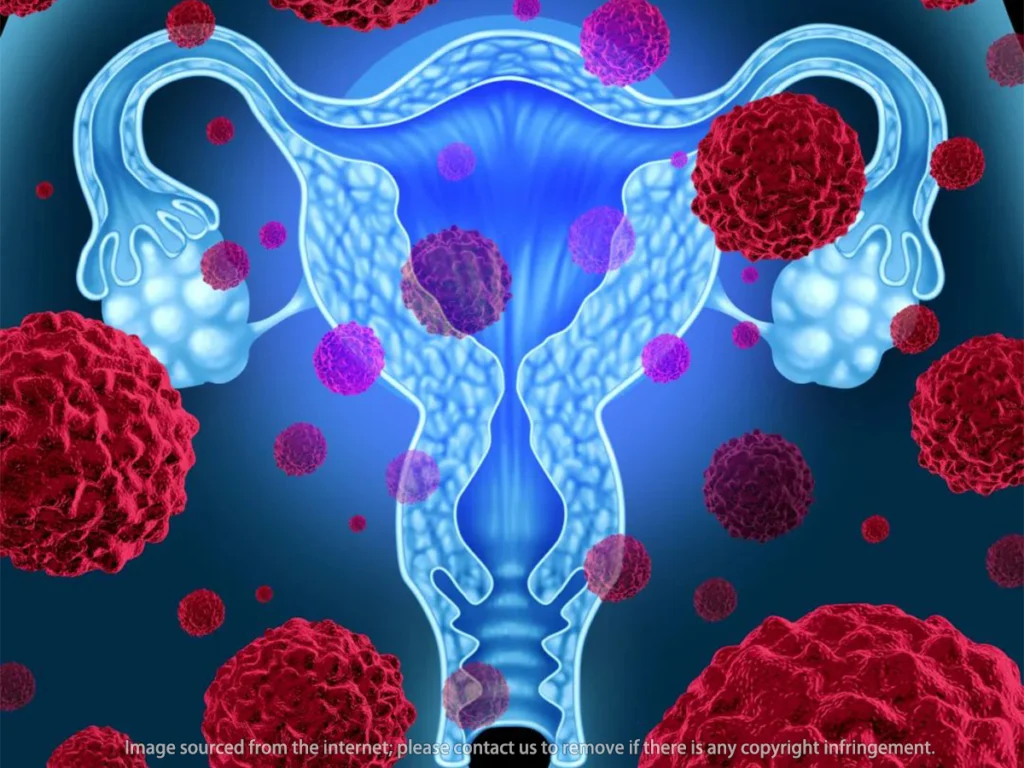
Can bacteria enter the vagina during masturbation? How can this be avoided?
To be clear: Yes, bacteria can slip into the vagina without you noticing.
But don’t panic, this isn’t a terrifying warning against masturbation, but rather a gentle reminder to “not let germs join the party.”
The good news is that, with the right approach, you can significantly reduce the risks and keep everything feeling pleasant and safe.
1. Keep your hands clean—this isn’t just a kindergarten requirement, it’s basic hygiene.
Your hands have touched doorknobs, keyboards, cell phones… each of which is dirtier than you imagine.
So before you begin, wash your hands thoroughly with soap before touching yourself internally.
Simple, fast, and necessary.
2. Sex toys also need to be bathed.
Using toys without washing them is basically inviting bacteria to join in.
Before and after each use, wash thoroughly with warm water and a mild detergent or a dedicated toy cleaner. Remember, it’s not just about “wiping it off,” it’s about actually cleaning it.
What if you share toys with your partner?
Washing and using a condom is the correct procedure.
3. Urinating after masturbation really helps.
This is not an urban legend.
Urinating helps flush away bacteria that may have gotten into the urethra, and can especially reduce the risk of urinary tract infections.
After you’re done, just go to the restroom. It’s that simple and effective.
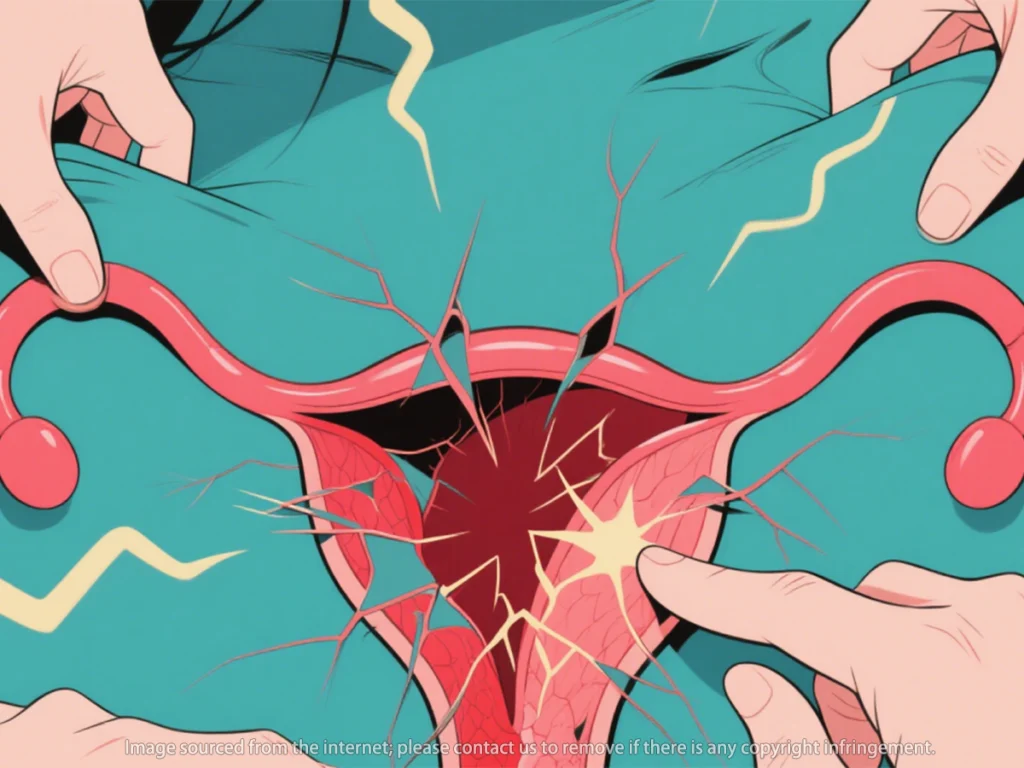
4. Choose the right lubricant; don’t let fragrances or irritating ingredients ruin your experience.
Fragrances and strong-smelling products may make you smell “fresh”.
But for the vagina, they are troublemakers.
Choose a hypoallergenic water-based lubricant; your vagina will appreciate it.
5. Be gentle. Your body isn’t a buffet—don’t poke it like one.
Excessive force, use of sharp objects, or excessive friction can all cause small cracks, which are gateways for bacteria.
What you want is pleasure, not damaged tissue.
6. Staying hydrated also helps.
Drinking plenty of water helps keep your body’s detoxification system running smoothly and can also reduce the risk of urinary tract infections.
You don’t need to drink excessive amounts of water; just drink water normally.
7. Most importantly: Listen to your body’s signals.
If you notice any of the following after masturbating, don’t try to tough it out:
- Abnormal discharge
- Persistent pain
- Stinging, burning or discomfort
- Odor
These are all signs that your body is saying, “Hey, we need a doctor’s help.”

Can masturbation cause vaginitis?
The truth is: masturbation itself does not directly cause vaginitis.
It wasn’t the culprit, but—like most life stories—the “details” are what determine whether you get into trouble.
In other words, poor technique, insufficient lubrication, unclean tools, and irritating products are the real issues that will cause you to jump from a moment of pleasure to the question, “Why is it itchy here?”
Which behaviors are considered high-risk? (AKA: Don’t do these)
1. Dry friction – the vagina’s natural enemy
Zero lubrication and harsh friction can make the skin of the vulva and vaginal opening extremely uncomfortable.
Redness, itching, and burning sensations can all make you mistakenly believe that you have vaginitis.
Lubricant isn’t an “option,” it’s your best friend.
2. Using products that drive your body crazy.
Not everything should go into the vagina—including certain lubricants, latex, fragrance gels, and even spermicides you might assume are safe.
If you are interested in:
- Certain lubricants
- Latex condoms
- Fragrance ingredients
An allergic reaction can quickly trigger warning signs such as: redness, swelling, itching, and burning. This isn’t vaginitis; it’s just your body saying, “Don’t bring this thing here again.”
3. Hygiene was not properly maintained.
This point is never too much to repeat, but I’ll put it another way:
Dirty hands and unclean toys are only good for creating trouble, not for creating pleasure.
if you:
- Did not wash hands
- Toys were not cleaned
- Shared toys (unwashed)
Then you’re giving bacteria a VIP pass.
What infection risks might it cause?
Yeast Infection
If you think saliva is “naturally harmless,” here’s the truth:
Saliva contains Candida albicans, and applying it to the vulva is somewhat like saying, “Come on, let’s break the balance.”
The risk is even higher when engaging in mutual masturbation or using saliva to lubricate each other’s fingers or toys.
Bacterial vaginosis (BV)
Masturbation itself is not a direct cause of vaginal vaginitis (BV), but any behavior that alters the vaginal microbiota may increase the risk.
Studies have shown a link between the frequency of sexual activity and BV (bacterial vaginosis), and in some cases, this correlation may extend to “frequent and unhygienic masturbation.”
So how can you reduce the risk? (Simple and effective)
- Use lubricant (really, this is not a suggestion, it’s a must).
- Wash your hands and clean your toys
- Do not use saliva as lubricant
- Do not insert products that your body does not like into your vagina.
- Be gentle and avoid puncturing the skin.
These small actions can keep you away from big problems.
When should I see a doctor?
If you find that the following symptoms are not “just a momentary occurrence,” but rather “constantly occurring and becoming increasingly bothersome”:
- Discharge with a distinct odor
- Stinging, burning, itching
- Swelling or persistent pain
- The discharge turns gray, yellow, or resembles cheese.
Don’t hesitate, see a doctor. It’s always wiser to act quickly than to tough it out.

Is it okay to masturbate during treatment for a vaginal infection?
A short answer? Sure, but don’t rush into it.
Long answer? Keep reading, and let’s talk about when it’s “Absolutely not” and when it’s “Okay, but be gentle.”
When to absolutely say NO
If you are experiencing this right now:
- The burning sensation was so intense it felt like someone had lit a small stove underneath you.
- Significantly abnormal secretions
- It stings when touched.
- Open wounds, herpes, ulcers
The first thing you need to do is not look for a vibrator…
Instead, all pluggable behavior should be stopped.
It’s not that you can’t enjoy pleasure, but that your body needs you to be a gentle caregiver now, instead of continuing to create conflict for it.
Avoid any insertions—finger, toy, cotton swab (yes, some people have actually done this)—at first.
This can not only irritate the affected area, but may also spread bacteria around, prolonging the recovery time.
So what if you want to relax?
If you really want to relax, you can try external stimulation (such as gently touching areas that feel good), but the key is that you need to be very gentle.
Feeling a little uncomfortable? That’s a stop signal. Don’t fight your body for control.
Important things to note during recovery: These are the key factors that determine whether you can safely “return”.
1. Hygiene is more important than anything else.
Wash your hands before masturbating. Wash them again after masturbating.
This is about protecting yourself, not about appearing sophisticated.
2. Complete the entire treatment course; do not give up halfway.
“Feeling like you’re better” doesn’t mean you’re really better.
Whether it’s antibiotics, vaginal suppositories, or ointments—follow your doctor’s instructions until the very last day.
Otherwise, you’ll just revive the infection and then send you back to the “forbidden zone.”
3. Is there a risk of exposure at the site of infection? Don’t touch it yet.
If you have a skin-to-skin infection such as herpes or HPV,
Do not touch the sore, and do not move it between different parts of the body.
That’s not the plot twist you want.
4. Take it slow after you recover.
Once your symptoms have fully resolved, you can gradually resume penetrative masturbation, but
— Listen to your body’s feedback throughout the process.
— You can start by using shallow, slow, and light techniques.
— Toys should be thoroughly cleaned before and after use.
Your body will tell you more clearly than anyone else: “I’m ready.”
5. Still unsure? Asking a doctor is much more reliable than guessing.
If you experience pain, bleeding, abnormal discharge, or any feeling that “something is wrong,”
Professional advice is always more reliable than Reddit or guesswork.
Vaginal sensitivity training and pelvic floor muscle strengthening
At this point, you’ve grasped the basics of vaginal masturbation—knowing how to safely explore internal pleasure and how to deal with issues like dryness, atrophy, and infection. In the next article, we’ll shift our focus from “safety and basics” to enhancing deep pleasure and sensitivity.
You’ll learn why some women don’t feel strong sensations during sex, and how targeted training can make vaginal muscles more flexible and sensitive. We will introduce three of the most effective methods to help you enhance penetration pleasure, making each physical response deeper and more satisfying to you.