To be honest, when most people first hear about BDSM, all that comes to mind is probably leather, ropes, and a sense of confusion like, “It looks exciting, but I honestly have no idea what it really means.”
But what truly makes BDSM so appealing isn’t the props, but rather the power dynamics between the characters:
Who controls? Who relinquishes control? Who can switch between different roles?
When you understand these characters, you’ll suddenly realize — BDSM is not a “special way of playing,” but a more honest, direct, and deeper way of communicating.
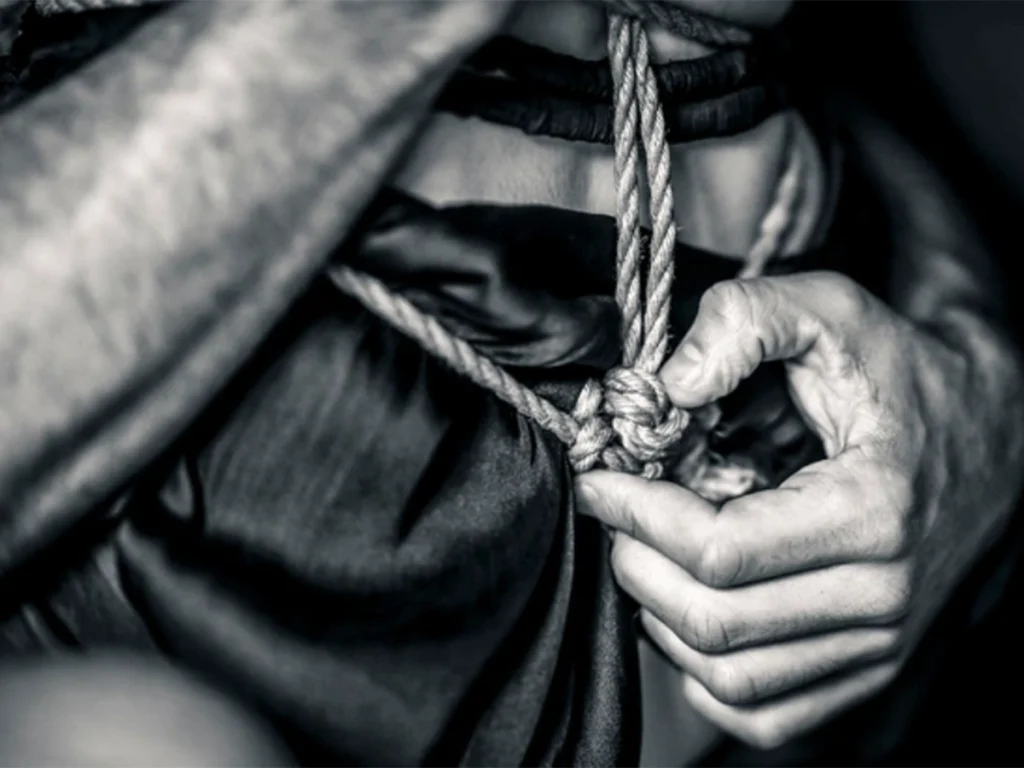
The Three Most Common BDSM Roles: Dom, Sub, and Switch
1) Dom: Not a “commander,” but a designer of the experience.
In real life, I have met many people who think that a Dom is “a responsible person who makes me obey”.
But a real Dom is more like a director—someone who knows exactly what he wants to film and how to get the actors into character.
A good Dom will:
- Build the scene
- Adjust the rhythm
- Read the other party’s reaction
- Maintain steadiness and control throughout the experience
They are not high-and-mighty “bosses,” but people responsible for creating experiences and making the whole process safe yet exciting.
2) Sub: Not passive, but actively choosing to trust.
Many people think that Sub means “obeying everything”.
But the truth is quite the opposite.
A mature Sub is someone who “actively chooses to hand over control,” just as an actor is willing to fully immerse themselves in the emotions and actions arranged by the director.
They convey a wealth of information to Dom through their reactions, breathing, body language, and eye contact, making the entire scene realistic, warm, and interactive.
3) Switch: A person who can take the lead and also let go.
A Switch is often misunderstood as “someone with no preferences.”
But their essence is that they are very clear about their needs and states in different situations.
Sometimes they can set the pace;
Sometimes they choose to surrender to the moment.
They are not contradictory, but mature.
To be a good Switch, one must truly understand the psychology of both sides in a power exchange.
For the Switch, dominance and submission are not identities, but ways of connecting.
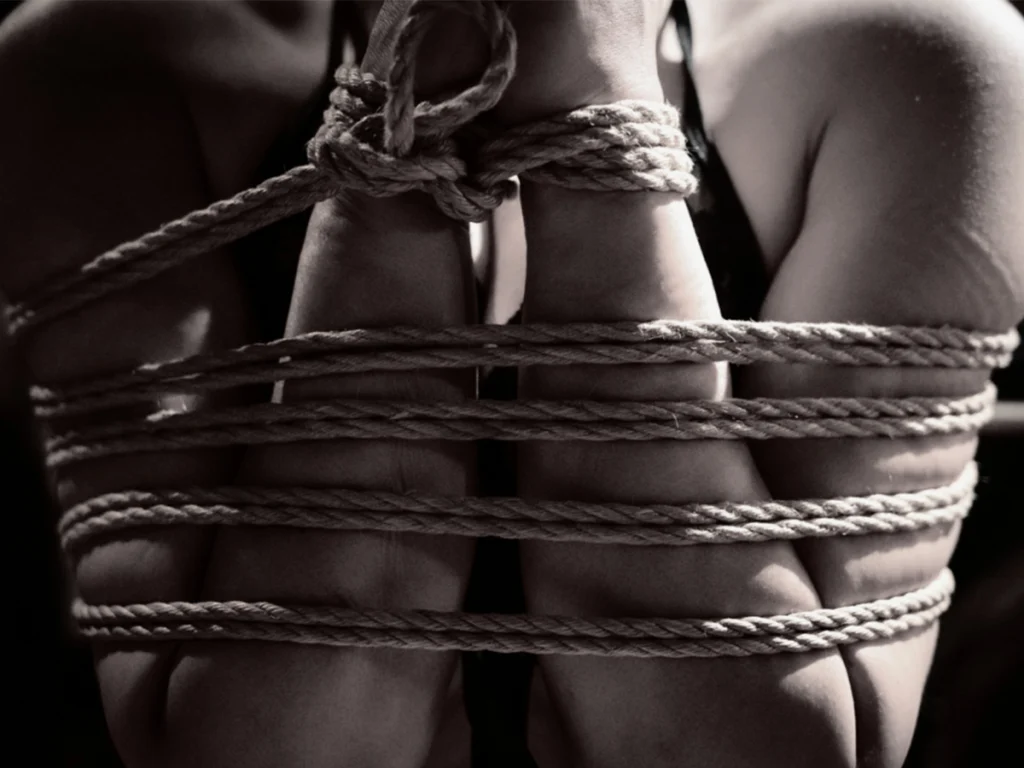
What is a Rigger? The true role of a “rope artist”
If you’ve ever seen works of rope bondage, you’ll know that its beauty isn’t something that can be achieved simply by tying a few knots.
The Rigger’s role includes:
- Designing the style of bondage
- Control the tightness of the rope
- Shaping the body into specific poses
- Take care of the other person’s physical reactions and emotional state
Their work is far more complicated than simply “tying them up”.
Rope bondage is a technique, and techniques always require:
- Communication
- Safety knowledge
- Clear boundaries
- A mechanism that can be stopped at any time (such as Safe Word)
Those who are tied up are often called “rope bunny,” but whatever they are called, they must know their own boundaries and maintain clear communication throughout the process.
In the scenarios I’ve encountered, the riggers that can relax people and even heal them with their ropes are usually very gentle and delicate.
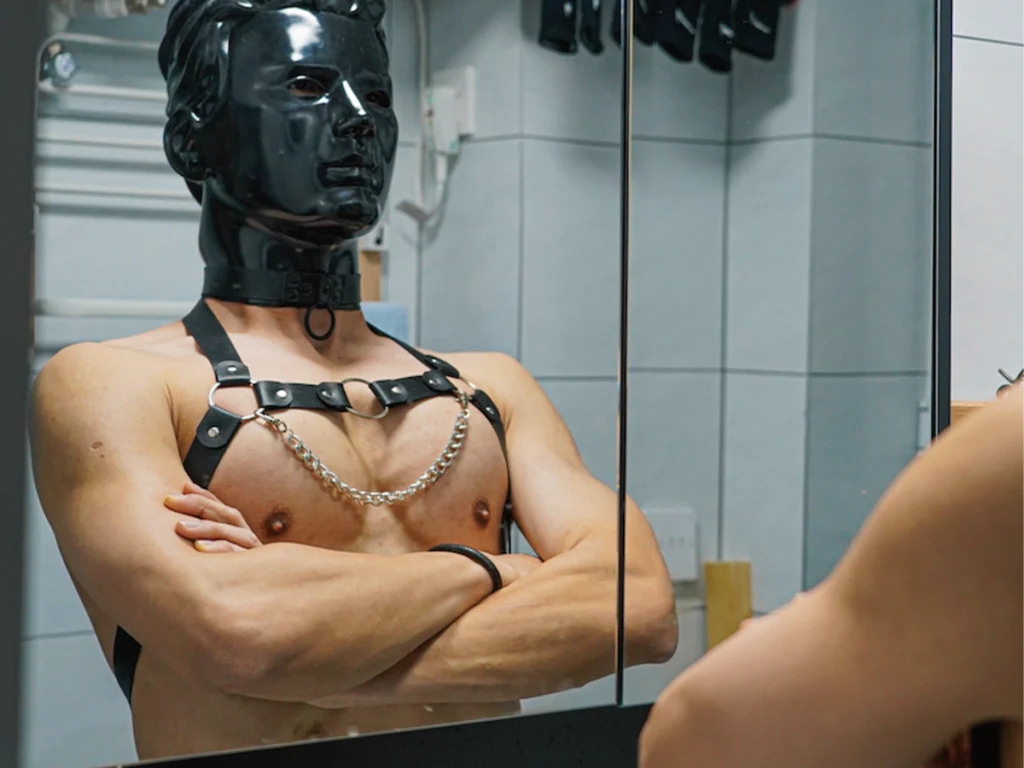
Brat: Sub Creates Tension Through “Provocation”
Brat is a very interesting character.
They are Subs, but not the conventional kind.
They can be mischievous, they can test others, they can talk back…
But that wasn’t rebellion; it was an invitation.
The subtext of Brat is usually:
“I’m willing to follow you, but I want to be sure you can really lead me.”
Brat dynamics often carry a playful tone:
- Sub push back (push back a little)
- Dom pulls in
This tug-of-war is not a conflict, but rather their language of interaction.
The boundaries were gently touched and reaffirmed time and time again, which led both of them to become more deeply involved.
Switch: The person who understands power exchange best
The appeal of a Switch lies in their ability to move naturally between control and surrender.
They often:
- Highly empathetic
- Strong at reading people
- Skilled at understanding a partner’s psychological needs in power dynamics.
- Also good at expressing their boundaries and responses.
For Switch, dominance and submission are not opposites, but different energies within the same relationship.
In the afternoon they might lead with confidence; at night they might choose to fully let go and be held.
It’s not a contradiction, but a flow.
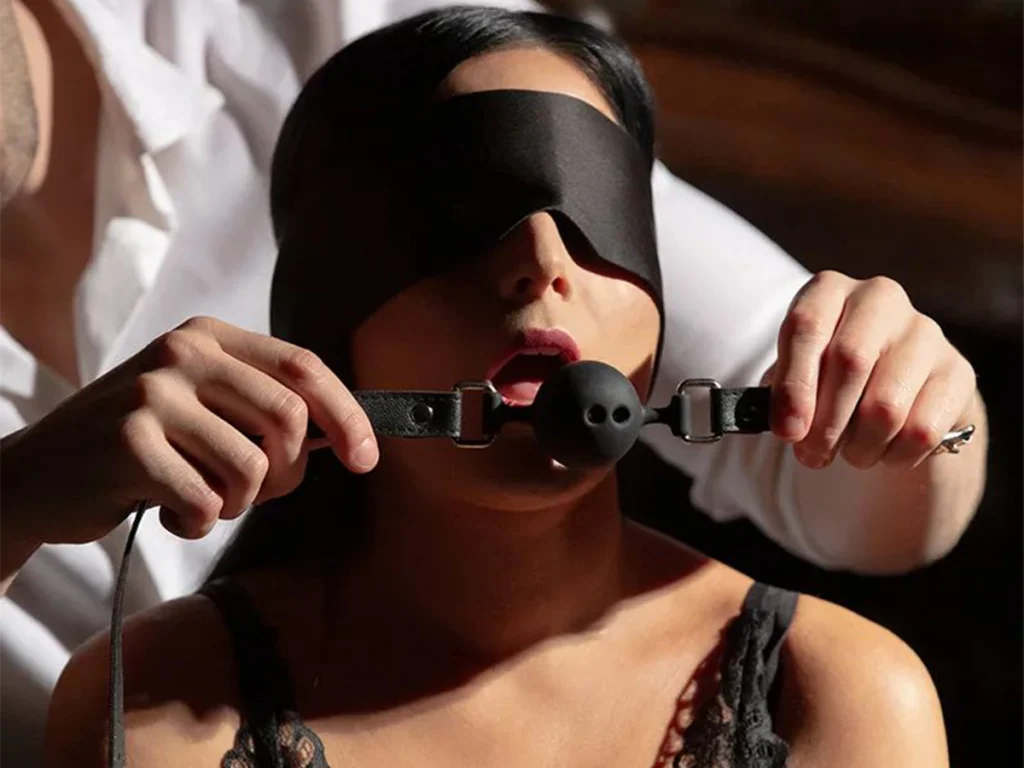
In BDSM, a role is not an identity, but a means of communication.
In reality, no one can only play one role:
- In front of A is Dom
- In front of B is Sub
- Showing a Brat side to certain people
- Become Switch naturally in front of people you trust
This is all normal.
What’s truly fixed isn’t the role, but four things:
- Was the communication clear?
- Is the trust stable?
- Are boundaries respected?
- Are both parties willing to honestly express their needs?
A role is simply a form of “language.”
It’s a way of navigating power that helps two people find common ground, rhythm, and a mutually comfortable dynamic.
Ultimately, regardless of who takes the lead, who relinquishes control, or who switches roles, the most important thing is always—
We create this experience together.