“Yesterday, my Dom took me straight into K3, and I was completely overwhelmed. Fortunately, he held me and comforted me for half an hour afterward, helping me regain my composure.”
If you’re a little confused by this sentence, it means you’re still in “outsider observer” mode. No worries, today we’ll explain all the most crucial role relationships and gameplay levels K1-K9 in the SM world. After reading this, you’ll at least be able to—understand, ask accurate questions, and avoid awkwardness.
01. What exactly is the BDSM community? What do S, M, Dom, and Sub stand for?
The term “BDSM circle” is the Chinese way of referring to BDSM culture.
BDSM is derived from a combination of four English words:
- Bondage: Restraint
- Discipline: Discipline/Training
- Dominance & Submission
- Sadism & Masochism
It sounds complicated, but it’s actually quite simple: it’s about how people interact with each other about control, senses, trust, and desire.
Core Character Breakdown:
- S (Sadist/Top): The one who enjoys controlling, training, and creating stimulation. When they have control, they dominate the rhythm.
- M (Masochist/Bottom): The party who is willing to be arranged, stimulated, and explored. It is not “passive” but “voluntary”.
- Dom (Dominant): A controller who operates more on a psychological level. He can not only “manage” but also “take care of”.
- Sub (Submissive): A person who voluntarily relinquishes power; his/her trust is an active choice, not something forced upon him/her.
Key differences
- S/M describes preferences for the body and senses.
- Dom/Sub describes relationships and power structures.
- A Sub doesn’t necessarily like pain, and an M doesn’t necessarily submit.
Switch: Sometimes in control, sometimes led. Taking the lead when desired, submitting when desired. Flexible, free, and self-aware.
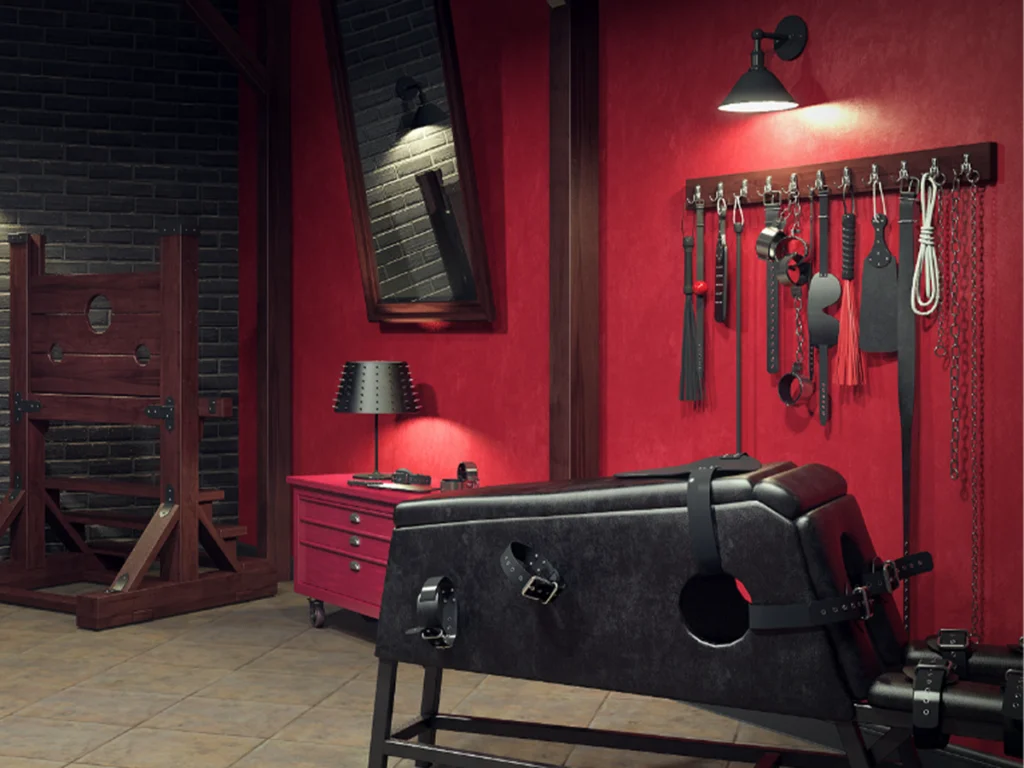
02. K1-K9 are not “pet levels,” but rather a gameplay difficulty table.
You might have seen this in BDSM chat logs: “I played K5 yesterday, I’m exhausted.”
K1-K9 is a popular skill intensity rating system in the community, progressing from light to heavy.
| grade | Meaning/Examples (in conversational language) |
| K1 | Mild verbal guidance, simple commands, mild humiliation. |
| K2 | Simple restraints (hands tied, eyes blindfolded), light spanking. |
| K3 | Whips, nipple clamps, and more explicit corporal punishment involve noticeable physical sensation. |
| K4 | Role-playing combined with heightened humiliation, such as through collars and posture control. |
| K5 | Activities like wax play, anal plugs, and enemas that increase physical intensity. |
| K6 | Severe bondage, intense shame, and high-intensity discipline. |
| K7 | Sensory limits such as breath control and forced orgasm. |
| K8 | High-risk activities such as electric shocks and sensory deprivation (require professional knowledge). |
| K9 | This is the ultimate level of extreme danger, and it is not recommended for non-professionals to attempt it. |
Important Reminder
A high K-level rating does not necessarily mean “powerful”.
The key is what suits you, makes you comfortable, and stays within safe boundaries.

03. The core of relationships in the BDSM community: It’s not about “who attacks whom,” but about “how power is exchanged.”
The world of BDSM is not as simple as “one willing to give and one willing to receive.” Each person’s attributes, roles, and relationships are like choosing a class in a game, with rich combinations and growth paths.
Main Characters Overview
- Dom/Sub (Master/Slave)
The exchange of power between dominance and submission is fundamentally about trust and communication. A Dom doesn’t have to be “fierce”; they can also be gentle and caring. A Sub’s submission is also a voluntary choice, relinquishing control to someone they trust. - S/M (Sadism/Masochism)
They place greater emphasis on sensory stimulation and pleasure release. The dominant enjoys the sense of control during the “training” process, while the submissive revels in the ultimate experience of being dominated. - Switch
A seasoned veteran in the industry, he comes and goes freely, capable of both attacking and receiving, doing whatever he pleases. - Owner/Pet
It leans towards pet-like relationships, sometimes focusing more on daily care and dependence, not just SM play. - Daddy/Mommy & Little
In a caregiving relationship, the dominant partner acts like a parent, caring for the subordinate and emphasizing emotional support and a sense of security.
04. Three rules for survival in the BDSM community: safety, rationality, and consent.
Whether you are a S, M, Dom, or Sub, the most important thing is not “how much” to play, but safety, rationality, and informed consent!
- Safety: Ensure physical and mental safety in all activities. Don’t risk your life; if necessary, learn about safety beforehand or consult experienced practitioners.
- Sane (Rational): Stay clear-headed and don’t drink too much and act impulsively. True “freedom” is being able to stop at any time.
- Consensual: All plots, props, punishments, and rules must be discussed in advance, and no one can force the process forward if they disagree.
Safety word = Immediate brake button
The most important “cutting-edge technology” in this industry is safe word usage. For example, if you say “radish,” the activity must be suspended immediately; no one is allowed to ignore your feelings. This isn’t being “fussy,” but rather protecting everyone’s bottom line and dignity.

05. Most common misconception: Let’s just say it clearly.
Q: “Is liking SM a sign of illness?”
A: No. It’s a preference, not a pathology. You have the right to like what makes you happy.
Q: “Should a dom be cold-blooded?”
A: A real Dom is very gentle. He is responsible, observant, and caring.
Q: “The more aggressively you play, the better?”
A: Incorrect. It’s not about being as heavy as possible, but about being as suitable as possible.
06. Finally: Don’t be ashamed of your desires, don’t be afraid of yourself.
The BDSM community is not a “rebel’s paradise”.
It is a way for people to explore intimacy, self, trust, and desire.
Who you are is not defined by others.
You don’t need to explain what you like.
May you find fulfillment in your exploration:
- Define your boundaries
- Find someone who truly understands you.
- And always stay safe, rational, and consensual.
Being yourself is always the sexiest thing.