Many people think that “an orgasm is just an orgasm,” but the female body is not that simple. The clitoris and vagina can both bring pleasure, but they rely on completely different nerve pathways, thus creating two very different orgasmic experiences.
This article will clearly break down the differences between clitoral and vaginal orgasms: how they are produced, the differences in sensation, why some women are more likely to achieve one type, and whether they can complement each other. The entire article is straightforward, leaning towards a FAQ style, and hopefully will help answer your questions.
What is a vaginal orgasm?
Vaginal orgasms are not as sharp and direct as clitoral orgasms; they are more like a slow, rising wave from deep within the body. Physiologically, they trigger rhythmic contractions of the lower vagina, uterus, anus, and pelvic floor muscles, but this “contraction” is not a localized event; rather, it is a sensation that spreads inward and deep into the body.
Many women experience a series of chain reactions during vaginal orgasms: breathing may become deeper, slower, or more rapid; a warm or surging sensation occurs within the body; the pelvic floor muscles involuntarily tighten and relax; the body may tremble slightly; and consciousness briefly enters a more focused state of pleasure. Some women may want to moan, grip the sheets tightly, or feel a deep pulling sensation being released.
It may not come quickly, but when it does, the common experience is “being ignited from within,” with layers of pleasure spreading from deep within the vagina to the pelvis, lower back, and even the chest. Compared to the “peak” of a clitoral orgasm, a vaginal orgasm is more like a continuous, pervasive feeling of fullness throughout the body.

What is the difference between vaginal orgasm and clitoral orgasm?
The difference between clitoral orgasm and vaginal orgasm is not simply a matter of “different location,” but rather involves two completely different nervous systems at work.
The clitoris itself is a structure with an extremely high nerve density—more than ten thousand nerve endings are concentrated in a small area, so its pleasure comes quickly, directly, and rapidly. Most women only need external stimulation (hands, mouth, vibration) to trigger that clear, rapid, and controllable orgasm—like a lightning bolt striking in an instant.
The nerve distribution inside the vagina is much sparser. What truly makes vaginal orgasm possible is the complex sensitive spot on the anterior wall (often called the G-spot). Unlike the clitoris, which “responds immediately when touched,” it requires angle, depth, and rhythm to work together. When it is stably stimulated, the pleasure does not spread from the outside in, but from the inside out—intense, deep, pulsating, and sometimes with a sense of losing control.
The study results also showed that this difference was very significant: clitoral orgasms were described as more intense, easier to trigger, and more controllable; while vaginal orgasms were more like a surge of deep energy, described as wilder, fuller, more “wave-like,” and lasting longer.
In short:
A clitoral orgasm is like precise ignition.
A vaginal orgasm is a deep burning sensation.
Both are real, but the experience paths are completely different.
Are clitoral orgasms limited to vaginal orgasms?
The answer is no—clitoral orgasms are not limited to vaginal orgasms; they can occur independently or be combined to create a richer and more intense pleasurable experience. In fact, for many women, even mild clitoral stimulation is an indispensable booster during vaginal orgasms.
This is what’s known as a “hybrid orgasm”: the deep pulsating sensation in the vagina combines with precise clitoral stimulation, allowing pleasure to spread both internally and externally simultaneously, resulting in a fuller and more sustained experience. Clitoral stimulation not only accelerates vaginal orgasms but also amplifies their intensity, making the entire orgasmic process more layered and richer in its fluctuations.
In other words, the clitoris and vagina are not in competition, but rather complementary twin engines. Mastering their coordination will allow you to discover that orgasm is no longer just a fleeting peak, but a full-body experience that can continue to spread deep inside.
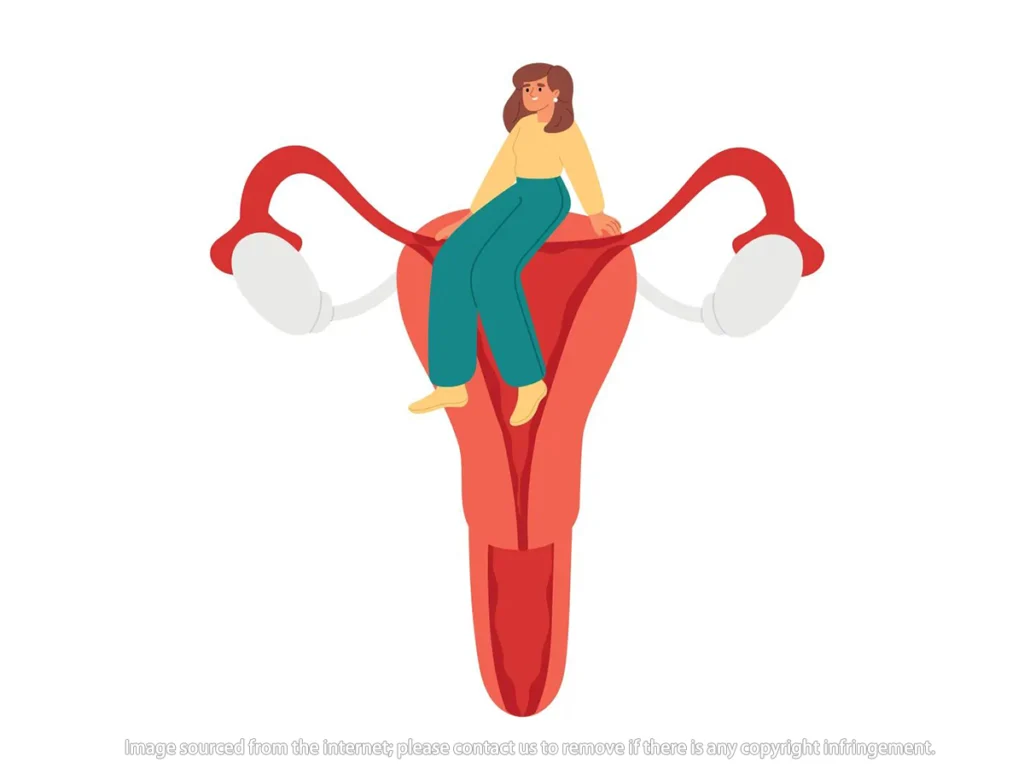
Can all women experience vaginal orgasms?
Not every woman can easily experience vaginal orgasms, and this is perfectly normal. Individual differences play a crucial role here—from physiological structure to nerve sensitivity to psychological state, everyone’s body and feelings are different.
Some women have a particularly sensitive G-spot, where even slight stimulation can trigger a deep orgasm; while others may require specific angles, rhythms, or even psychological relaxation to experience a similar sensation. Furthermore, stress, anxiety, or a lack of security can also inhibit pleasure, making vaginal orgasms difficult to achieve.
This means that vaginal orgasm is not a “standard” for measuring sexual ability or satisfaction. It’s more of a possibility: understanding your own body, trying different stimulation methods, and maintaining an open and relaxed mindset can all increase the chances of having one. And even if you can’t fully experience vaginal orgasm, clitoral orgasms and mixed orgasms can still bring intense and rich pleasure.
How to achieve vaginal orgasm?
Now that you understand the difference between clitoral and vaginal orgasms, and know that they can produce pleasure independently or in combination, we’ll turn theory into practice in the next article, taking you on a deeper exploration of how to truly achieve a vaginal orgasm.
From specific techniques to psychological preparation, from optimal positions to interpreting bodily signals, we will gradually reveal methods to make vaginal orgasms easier to achieve. The next article will not only help you master practical techniques but also help you understand your body’s reactions and the rhythm of pleasure, turning vaginal orgasms from theory into reality.